Jan. 5, 2026

5 Things Buyers Need to Know About Financing a New Construction Home in the West Valley

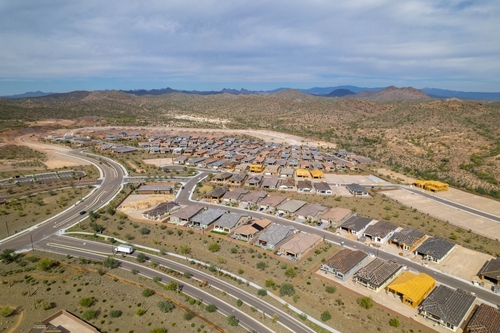
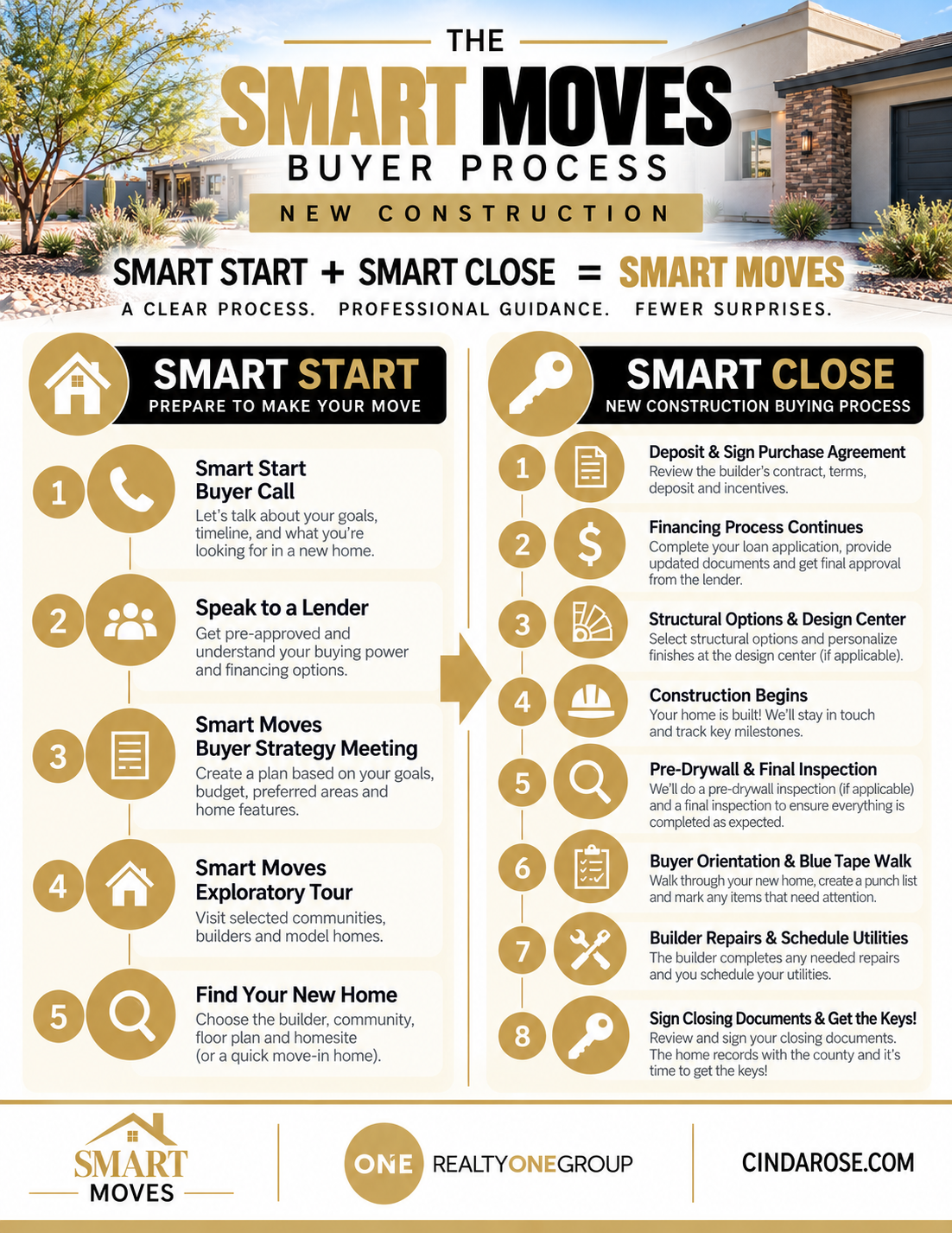
New construction homes are booming across Phoenix's West Valley, especially in communities throughout Goodyear, Buckeye, Surprise, Avondale, and Litchfield Park. While new builds offer modern layouts and energy efficiency, financing a new construction home is very different from financing a resale.

Before signing with a builder, here are five critical financing details every buyer should understand.

1. Builder Incentives Often Require Using Their Preferred Lender

Many West Valley builders advertise attractive incentives such as:

  • Closing cost credits

  • Interest rate buy-downs

  • Upgrade or design center allowances

What buyers don’t always realize is that these incentives usually require using the builder’s preferred lender. While this can be a great option, it’s important to compare loan terms, interest rates, and fees to make sure the incentive truly benefits you long term—not just at closing.

2. Financing Happens in Stages, Not All at Once

With a resale home, financing typically moves quickly from contract to closing. New construction is different.

Because construction can take several months:

  • Buyers often pre-qualify early

  • Then must re-qualify closer to completion

  • Final loan approval usually happens near closing

Any changes to income, credit score, debt, or employment during construction can impact final approval. Maintaining financial stability throughout the build is essential.  Check out Avoid These 10 Things When Buying a Home to make sure you don't jeopardize your financing.

3. Appraisals Work Differently for New Construction

Appraisals for new construction homes are typically completed near the end of construction, not when the contract is signed.

Important things buyers should know:

  • Builders usually do not renegotiate price if the appraisal comes in low

  • Buyers may need to cover the difference in cash

  • FHA and VA loans offer specific appraisal protections, but conventional loans often do not

Understanding your loan type and appraisal protections upfront helps avoid surprises late in the process.

4. Deposits Can Become Non-Refundable Quickly

New construction contracts often require earnest money and option deposits that become non-refundable early, even if financing falls through—especially when using a non-preferred lender.

This means:

  • Financing contingencies may be limited

  • Loan denial does not always equal a refund

  • Providing all of the correct documents quickly and from the start is critical

5. Interest Rate Locks and Timing Matter More Than You Think

Because construction timelines can shift, locking an interest rate too early—or too late—can be risky.

Buyers should discuss:

  • Long-term rate lock options

  • Float-down opportunities

  • Extension fees if construction is delayed

Final Thoughts for Buying a West Valley New Construction Home

Financing a new West Valley construction home isn’t harder—but it is different. Buyers who understand incentive requirements, appraisal rules, deposit risks, and rate lock timing are far more prepared and confident when closing day arrives.

Using a local real estate expert who specializes in West Valley new builds helps ensure a smoother, smarter buying experience from contract to keys.

NOTE:  Most builders require that your real estate agent accompany you on your first visit to the sales center and model homes, or they may not pay for your buyer's agent representation.  Make sure to contact me BEFORE you visit the sales center and model homes.  Skipping representation doesn’t reduce the price. It just means you’re walking into the builder’s office without a representation and without an advocate.

Want to learn more about buying a new construction home in Arizona?  I'd be happy to set up a time for us to chat.  

Contact Cinda Rose, REALTOR® Realty ONE Group — Your West Valley New Construction Specialist:  623-252-9350

Let's build something amazing.

Jan. 5, 2026

Top 5 Things Every First-Time Home Buyer Should Know Before Buying a New Construction Home in the Goodyear/West Valley Area

Buying a brand-new home is exciting—everything is fresh, modern, and designed for today’s lifestyle. For many first-time buyers in Goodyear, new construction feels like the safest, simplest option. But new builds come with rules, costs, and timelines that surprise buyers who don’t know what to expect. Before you sign with a builder, here are the five most important things you should know.

1. The Builder’s Sales Rep Works for the Builder — Not You

One of the biggest misconceptions first-time buyers have is assuming the on-site sales agent represents them. In reality, the builder’s sales representative works exclusively for the builder.

That means:

  • They negotiate in the builder’s best interest

  • They don’t advise you on pricing strategy

  • They won’t warn you about contract risks or upgrade traps

Having your own real estate agent who specializes in new construction costs you nothing and gives you an advocate who understands Goodyear builders, incentives, and contract fine print. This is especially important in fast-growing areas like Goodyear, where pricing and incentives can change weekly.

2. The Base Price Is Only the Starting Point

Model homes are designed to impress—but almost nothing you see comes standard.

First-time buyers are often surprised by:

  • Upgrade costs for flooring, cabinets, countertops, and lighting

  • Structural upgrades like extended patios or garage extensions

  • Premium lot fees for corner lots, mountain views, or larger parcels

In Goodyear new construction communities, it’s common for buyers to add $20,000–$70,000 in upgrades on top of the base price. Understanding this early helps you avoid stretching your budget or sacrificing important features later.

3. HOA Fees and One-Time Community Costs Matter

Most new construction homes in Goodyear are part of master-planned communities, which means HOA fees.

Buyers should expect:

  • Monthly HOA dues (often $100–$250+ depending on amenities)

  • One-time fees at closing such as:

    • Working capital contributions

    • Reserve fund contributions

    • HOA transfer or admin fees

These fees are not included in the purchase price, and they usually cannot be refunded. HOA dues can also increase over time, so it’s important to review the community disclosures and budget before committing.

4. Builder Contracts Favor the Builder — Not the Buyer

New construction contracts are very different from resale contracts.

First-time buyers are often surprised to learn:

  • Deposits usually become non-refundable very quickly (it is very hard to cancel and get your earnest money back)

  • Inspection issues typically do not allow cancellation

  • Appraisal protections may be limited unless using FHA or VA financing

  • Builder timelines can shift, sometimes by months (and builders may have up to 2. years to complete your home)

This doesn’t mean new construction is risky—but it does mean you need to understand what protections you do and don’t have before you sign, not after.

5. Timing, Incentives, and Financing Can Change the Deal

In the West Valley, builders often offer:

  • Closing cost credits

  • Interest rate buy-downs

  • Design center or upgrade incentives

But these incentives:

  • May require using the builder’s preferred lender

  • Can change without notice before you lock them in

  • Are often stronger at quarter-end or when inventory needs to move

A local new-construction-savvy agent can help you compare incentives across communities, time your purchase strategically, and avoid giving up long-term value for short-term perks.

Final Thoughts for First-Time Buyers in Goodyear and the West Valley

New construction can be an excellent choice for first-time buyers in Goodyear—but only if you understand how the process works. The biggest wins come from:

  • Knowing the true cost beyond the base price

  • Understanding HOA and community fees

  • Having your own advocate from day one

A little preparation upfront can save you thousands of dollars, months of stress, and long-term regret.

Ready to Build Your Goodyear/West Valley New Construction Home?

As your West Valley new construction advocate, I guide you through the entire process, help you review contracts, recommend inspections, and ensure your investment is protected from start to finish.
Whether you're exploring Goodyear, Buckeye, Litchfield Park, Avondale, or Surprise, I can help you find the right builder, community, and floor plan.
Contact Cinda Rose, REALTOR® Realty ONE Group — Your West Valley New Construction Specialist:  623-252-9350
Let’s build something amazing.
Jan. 3, 2026

17 Smart Questions You Should Ask Your West Valley Builder

Choosing a Home Builder:  The Questions to Ask 

Buying a new construction home is one of the biggest financial decisions you’ll ever make—and the builder you choose matters just as much as the floor plan you love. That’s why Fulton Homes created their Decision Guide, which encourages buyers to slow down and ask the right questions before signing a contract.
Below is a buyer-friendly breakdown of the 17 essential questions Fulton recommends asking every builder, along with why each one actually matters in the real world.

1. How long have you been building homes locally?

Longevity matters. Builders with deep local experience understand Arizona’s climate, soil conditions, and building codes—and they’re more likely to be around if you need warranty support later.

2. Are you a local or national builder?

Local builders often have more flexibility and accountability. National builders may offer scale, but decisions are sometimes made far from Arizona.

3. What’s included as standard vs. an upgrade?

This is huge. Some builders advertise a low base price, then charge extra for basics like flooring, lighting, or backyard features. Always compare apples to apples.

4. Can I customize the floor plan?

Ask whether structural changes are allowed—or if you’re choosing from fixed layouts. Flexibility upfront often leads to better long-term satisfaction and resale value.

5. How does your design center process work?

Find out how many appointments you get, whether pricing is transparent, and if changes are allowed later. This is where budgets can quietly grow.

6. What energy-efficiency features are included?

In Arizona, efficiency isn’t a luxury—it’s essential. Ask about insulation, windows, HVAC systems, and certifications like ENERGY STAR®.

7. What kind of inspections are allowed?

You should be able to hire a third-party inspector at multiple stages, not just at closing. Builders who welcome inspections tend to be more confident in their work.

8. Who manages the construction of my home?

Is there a dedicated construction manager? Will you meet them? Communication during the build can make or break the experience.

9. How often will I receive updates?

Clear expectations around communication help prevent frustration. Ask how progress updates are delivered and how often.

10. What warranties come with the home?

Ask about workmanship, systems, and structural warranties—and get details in writing.

11. How are warranty issues handled after closing?

This is one of the most overlooked questions. Ask how service requests are submitted, typical response times, and who your point of contact will be.

12. What is the estimated build timeline?

Timelines change, but builders should be able to explain what’s typical and what factors may cause delays.

13. What happens if there are delays?

Ask how delays are communicated and whether there’s flexibility with rate locks, lease extensions, or closing dates.

14. What communities are you building in?

The quality of the neighborhood matters just as much as the home. Ask about amenities, future development, and long-term plans.

15. How do you price homes as construction progresses?

Some builders increase prices by phase. Understanding how pricing works can help you time your purchase strategically.

16. Can I speak with recent homeowners?

Reputable builders are usually happy to point you toward reviews or homeowner feedback. Real-world experiences tell you more than marketing ever will.

17. Can I use my own real estate agent?

This is critical. Builder sales reps work for the builder. Having your own Realtor means someone is focused entirely on your interests, upgrades, inspections, and long-term value.  Most West Valley builders will allow you to have a Realtor as well pay their compensation.

Why These Questions Matter

Buyers who ask these questions upfront are far less likely to experience surprise costs, frustration, or regret later.
New construction can be an incredible experience when:
  • Expectations are clear
  • Decisions are informed
  • Representation is in place

A Realtor’s Perspective

Builders do a great job explaining their process. My role is to help you interpret the answers, compare builders objectively, and protect your investment from day one through closing—and beyond.
If you’re considering new construction in Arizona, these 17 questions are the smartest place to start. When you’re ready, I’m here to help you ask them—and make sense of the answers.
Ready to Build Your Arizona New Construction Home?
As your West Valley new construction advocate, I guide you through the entire process, help you review contracts, recommend inspections, and ensure your investment is protected from start to finish.
NOTE:  Most builders require that your real estate agent accompany you on your first visit to the sales center and model homes, or they may not pay for your buyer's agent representation.  Make sure to contact me BEFORE you visit the sales center and model homes.  Skipping representation doesn’t reduce the price. It just means you’re walking into the builder’s office without representation and without an advocate
Whether you're exploring Goodyear, Buckeye, Litchfield Park, Avondale, or Surprise, I can help you find the right builder, community, and floor plan.
Contact Cinda Rose, REALTOR® Realty ONE Group —
Your West Valley New Construction Specialist:  623-252-9350
Let’s build something amazing.
Jan. 3, 2026

Fulton Homes in Arizona: The Good, the Not-So-Good, and What Buyers Should Know

Fulton Homes New Home Builder Arizona

Fulton Homes in Arizona

Buying a new construction home is exciting—and it’s also a decision that deserves clear eyes and good information. Fulton Homes is one of Arizona’s most established builders, and for many buyers, they’re a solid choice. Still, no builder is perfect. This guide takes a balanced look at what Fulton does well and where buyers should slow down, ask questions, and protect themselves.

The Big Picture: Who Fulton Homes Is

Fulton Homes is a family-owned Arizona builder with more than four decades of local experience. They’ve built tens of thousands of homes across the Phoenix metro area and are deeply rooted in the communities they develop. That longevity matters—it usually means stable processes, predictable timelines, and a company that plans to be around long after closing day.

Where Fulton Homes Shines

Fulton’s strongest advantages tend to be consistency and choice.

Their design center is one of the largest in the state, offering a wide range of finishes and structural options. Buyers often like that they can personalize their home without immediately jumping into luxury-builder pricing. Many standard features—tile flooring, cabinetry options, ceiling fans, and blinds—feel more generous than what some national builders include at entry-level pricing.

FULTON HOMES COMMUNITIES

They also focus heavily on master-planned communities. Parks, walking paths, playgrounds, and shared amenities are common in Fulton neighborhoods, which appeals to buyers who want more than just a house—they want a lifestyle.

Energy efficiency is another plus, with many homes meeting ENERGY STAR® standards.

What Buyers Like (Based on Online Reviews)

Across review platforms, Fulton Homes generally receives above-average ratings for:

  • Livable, functional floor plans

  • Design flexibility compared to tract builders

  • Friendly sales staff during the purchase phase

  • Good value for the price point

Many homeowners specifically mention positive experiences with sales counselors and design center staff, especially first-time buyers who appreciated the guidance.

The Downsides Buyers Should Be Aware Of

This is where being informed really matters.

One recurring theme in negative or mixed reviews involves post-closing communication. Some homeowners report that warranty requests or repairs took longer than expected, or required multiple follow-ups. This isn’t unique to Fulton—nearly every high-volume builder faces this criticism—but it’s something buyers should plan for.

Other commonly mentioned concerns include:

  • Construction quality inconsistencies between homes or phases of a community

  • Cosmetic issues at closing that required follow-up repairs (which is normal for all builders)

  • Limited flexibility once the build is underway—changes late in the process can be expensive or not allowed (common for all builders)

  • Upgrade pricing that can climb quickly if buyers aren’t careful

A small number of reviews also mention frustration when expectations weren’t clearly set upfront, especially around timelines, subcontractor work, or what was considered “normal” settling versus a true defect.

Importantly, Fulton Homes is BBB accredited with an A+ rating, which suggests complaints are typically addressed—but not always as quickly as homeowners would like. The lesson here isn’t “avoid Fulton,” it’s “document everything and stay proactive.”

I used ChatGPT to help compile an overall concensus amoung Fulton Home's Customers:

Overall Recent Sentiment
Across hundreds of reviews on NewHomeSource, Fulton Homes maintains a strong average rating (~4.2 out of 5 stars) from homeowners in the Phoenix-Mesa area, with quality usually scoring around 4.1/5 and responsiveness around 4/5. This suggests that most buyers feel they’re getting a solid home for the price and that the builder’s teams are generally responsive and professional. New Home Source

Many of the most recent reviews (2025) are overwhelmingly positive: buyers frequently praise the construction quality, communication, responsiveness, and personal attention from staff throughout the process. Several highlight that homes feel “well-built” and that project managers and orientation teams were helpful through move-in and even afterward. New Home Source

Examples of Recent Positive Feedback:

  • Verified owners from Surprise and Queen Creek report “well-built homes” and consistently excellent service from start to finish. New Home Source

  • Multiple reviews from 2025 give 5-star scores across all categories, with buyers mentioning responsiveness and professionalism. New Home Source

  • One homeowner noted that even a third-party inspector was impressed with quality compared to other builders, and that Fulton addressed small issues with no finger-pointing. New Home Source

How Fulton Compares to Other Builders

Compared to large national builders, Fulton often offers more local accountability and design choice. Compared to semi-custom or luxury builders, they’re generally more affordable—but with less hands-on customization and concierge-level service.

They sit in that middle ground: better personalization than entry-level tract builders, but not a fully custom experience.

Smart Advice If You’re Considering Fulton Homes

This is where having your own Realtor matters most. Builder sales reps work for the builder, not for you. An experienced agent can:

  • Help you understand which upgrades add real resale value

  • Attend inspections and walk-throughs with you

  • Set realistic expectations about timelines and warranty processes

  • Advocate for repairs and documentation before closing

Final Thoughts

Fulton Homes has earned its place as a respected Arizona builder by delivering solid homes, strong communities, and design flexibility that many buyers appreciate. At the same time, buyers should go in informed—especially about post-closing service, warranties, and upgrade decisions.

As a Realtor who helps buyers navigate new construction every day, my goal is to make sure you know both the advantages and the potential friction points before you sign a contract. When you’re informed and represented, new construction can be a great experience—and Fulton Homes may be a strong fit for your next chapter.  

NOTE:  Most builders require that your real estate agent accompany you on your first visit to the sales center and model homes, or they may not pay for your buyer's agent representation.  Make sure to contact me BEFORE you visit the sales center and model homes.  Skipping representation doesn’t reduce the price. It just means you’re walking into the builder’s office without a representation and without an advocate.

Want to learn more about buying a new construction home in Arizona?  I'd be happy to set up a time for us to chat.  Hit one of the contact icons to email or call me.

Contact Cinda Rose, REALTOR® Realty ONE Group — Your West Valley New Construction Specialist:  623-252-9350

Nov. 20, 2025

How a New Construction Home Is Built in Arizona: The 10-Stage Process Explained


West Valley New Home Construction

The 10 Key Steps to Building a New Construction Home in Arizona

Building a new construction home in Arizona is an exciting journey—especially in fast-growing areas of the West Valley like Goodyear, Buckeye, Litchfield Park, and Surprise. While choosing your floor plan and design finishes is fun, understanding the actual construction stages helps you know what to expect, avoid surprises, and stay confident from contract to closing.
Here are the 10 essential steps most Arizona home builders follow when constructing a new home.

1. Lot Preparation

First, your builder will request the permits for construction.  After permits are received, construction begins with preparing your homesite. Builders grade the land, compact the soil, and outline where your home will sit. Arizona soil varies by region, so proper preparation helps ensure stability, drainage, and long-term structural integrity.
Buyer Tip: Request a copy of the lot’s grading plan so you understand how water will drain during monsoon season.  This is especially important once you start landscaping your backyard.

2. Slab Foundation

Most Arizona homes are built on a concrete slab foundation. After underground plumbing and electrical lines are installed, the foundation is formed, reinforced, and poured.
Because of Arizona’s heat, during the hot months, many slabs are poured early in the morning to prevent cracking and ensure proper curing.

3. Framing

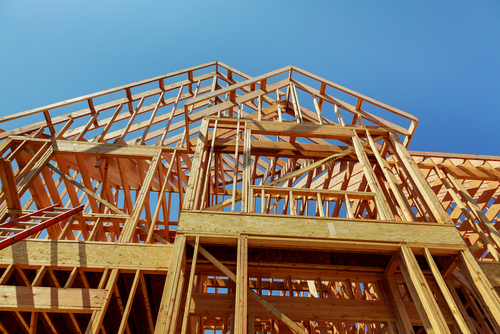
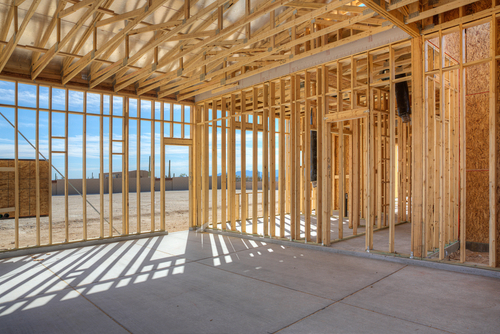
Framing brings your floor plan to life. Builders construct exterior and interior walls, roof trusses, and structural supports. This stage moves quickly and is often the most exciting for buyers because the home finally has shape.
What You’ll See: Windows framed out, room layouts, hallways, rooflines, and the general structure of the home.

4. Insulation

Once framing passes inspection, insulation is added to meet Arizona’s energy efficiency standards. This may include blown-in insulation, foam insulation, or a hybrid method to help regulate indoor temperatures during intense summer heat.
Why It Matters: Proper insulation directly impacts your energy bills—an important factor in Arizona’s climate.

5. Exterior Work

The exterior shell is built out with:
  • Stucco or siding
  • Roofing materials
  • Exterior doors and windows
  • Moisture and weather barriers
This phase protects the home from the desert elements and prepares it for interior work.  

6. Drywall Installation

Drywall is hung, taped, mudded, and textured. Once complete, your home begins to look like a finished interior space rather than a construction zone.
Common Arizona Textures: Knockdown, skip trowel, and orange peel—depending on the builder.
IMPORTANT:  Before the drywall is installed, I recommend having an independent 3rd-party home inspector complete another home inspection.  Pick someone who specializes in new construction inspections. You will never get a chance to inspect what is behind the walls again without ripping out drywall! 

7. Plumbing, Mechanical, & Trim Work

Now the essential systems go in:
  • Electrical outlets and switches
  • HVAC units and ductwork
  • Plumbing fixtures
  • Water heaters
  • Interior doors
  • Baseboards and trim
This is also when the home undergoes several city and county inspections to ensure compliance with building codes.

8. Finish Out

Finish-out is where the home comes to life. This includes:
  • Cabinets
  • Countertops
  • Flooring
  • Tile and backsplash
  • Paint
  • Lighting fixtures
  • Hardware
  • Appliances
You’ll see your design center selections finally installed.

9. Landscaping

In most Arizona new-build communities, front-yard landscaping is included. This typically features desert-friendly, low-maintenance plants, irrigation systems, hardscaping, and gravel or rock.
Back yards may be left unfinished unless you opt for builder-installed landscaping.

10. Final Inspection & Certificate of Occupancy

Before closing, the builder and the city complete final inspections. Once everything passes, the city issues a Certificate of Occupancy, confirming that the home is safe and ready for you to move into.
You’ll also complete a final walk-thru to identify any touch-ups or items the builder needs to correct before closing.
IMPORTANT:  I suggest having a second independent 3rd-party inspection completed before the final walk-thru.

Final Thoughts

Building a new construction home in Arizona is incredibly rewarding—especially when you understand each step of the process. From lot prep to your Certificate of Occupancy, every stage brings you closer to the home that’s truly yours.

Ready to Build Your Arizona New Construction Home?

As your West Valley new construction advocate, I guide you through the entire process, help you review contracts, recommend inspections, and ensure your investment is protected from start to finish.
Whether you're exploring Goodyear, Buckeye, Litchfield Park, or Surprise, I can help you find the right builder, community, and floor plan.
Contact Cinda Rose, REALTOR® Realty ONE Group — Your West Valley New Construction Specialist:  623-252-9350
Let’s build something amazing.
Nov. 20, 2025

Top 7 Things Your Need to Know Before Buying a New Construction Home in the West Valley

Your Guide to Buying a New Construction Home in the West Valley: Goodyear, Buckeye, Litchfield Park & Surprise

The West Valley continues to be one of the fastest-growing regions in Arizona—and for many homebuyers, new construction homes offer the perfect blend of modern design, energy efficiency, and low-maintenance living. Whether you're relocating to the Phoenix metro area or moving up from an existing home, the cities of Goodyear, Buckeye, Litchfield Park, and Surprise are full of master-planned communities, innovative builders, and lifestyle-focused amenities.

As a West Valley real estate specialist with Realty ONE Group, I guide buyers every day through the unique process of purchasing a newly built home. Here’s what you need to know before stepping into a model home or signing a builder contract.

1. The West Valley Is a Hub of New Construction Growth

Some of Arizona's most impressive new communities are taking shape in the West Valley, thanks to its open land, scenic desert surroundings, and fast-expanding employment corridors.

Top areas attracting new construction buyers include:

  • Goodyear: Estrella, El Cidro, Sedella, Mirada, and new developments near the Loop 303

  • Buckeye: Verrado, Tartesso, Teravalis, Festival Foothills, Sundance

  • Litchfield Park: Zanjero Trails, Litchfield Farms, Windrose

  • Surprise: Sterling Grove, Marley Park, Village at Prasada, Rancho Mercado, Asante

Each community offers its own character—resort-style amenities, golf courses, mountain views, walking trails, and plenty of recreation.

Local Insight from Cinda Rose:
Knowing which builders are offering incentives, quick-move-ins, or upcoming releases can save you thousands and help you find the perfect fit before others see it.

2. Why You Still Need Your Own REALTOR® When Buying New

Many buyers walk into a model home assuming the on-site sales agent represents them. The truth is simple: the builder's sales agent represents the builder, not you.

Having your own agent ensures:

  • Someone is negotiating on your behalf

  • You understand contract terms, design center upgrades, and timelines

  • You get unbiased advice on lot selection, layout options, and resale value

  • You avoid costly mistakes with financing and inspections

Most builders welcome buyer representation and pay the agent’s commission—so your advocacy comes at no additional cost to you.

As your new-build advocate, I help you compare builders, evaluate incentives, navigate contract deadlines, and protect your best interests throughout the construction process of your new home.

3. Understanding Builder Contracts & Timelines

Builder agreements are very different from standard Arizona resale contracts. They often include:

  • Non-refundable earnest money structures

  • Strict deadlines for design choices or changes

  • Builder-preferred lender requirements for incentives

  • Construction timelines that may shift due to materials or labor

Before signing anything, you’ll want a full understanding of what you're agreeing to—and how it affects your budget, move-in date, and flexibility.

Pro Tip:
I review contracts with my clients so they understand obligations, available wiggle room, and red-flag clauses that need extra attention.

4. Don’t Skip the Home Inspection—Even on a Brand-New Home

Builders aim for quality, but new homes are still large construction projects involving multiple trades and phases. Independent inspections help verify that everything has been completed correctly.

Recommended inspections include:

  • Pre-drywall inspection

  • Final walkthrough inspection

  • Specialized inspections for roofs, HVAC, electrical, or pools (if applicable)

Most West Valley builders will fix issues found before closing, saving you hundreds or even thousands in future repair costs.

5. New Construction = Lower Utility Bills & Energy Efficiency

One of the biggest perks of buying new in the West Valley is energy efficiency. Builders in Goodyear, Buckeye, Litchfield Park, and Surprise often use:

  • High-efficiency HVAC systems

  • Low-E dual-pane windows

  • Radiant barrier roofing

  • Fresh insulation standards

  • Smart thermostats & home automation

  • Optional solar packages

With summer temperatures regularly exceeding 100 degrees, these upgrades can significantly reduce monthly energy bills.

6. Builder Incentives Can Add Up—If You Know What to Look For

Many builders offer incentives such as:

  • Closing cost credits

  • Lower interest rates with preferred lenders

  • Price reductions on quick move-in homes

  • Design center upgrade credits

In fast-moving markets, incentives may shrink. When inventory grows, incentives are often generous.

Real-world advantage:
As a local agent, I stay on top of weekly builder promotions across the West Valley so my clients never leave money on the table.

7. Choose the Right Lot & Floor Plan for Resale Value

Your home should fit your lifestyle—but it’s also an investment. The right choices now can make a big difference when it’s time to sell.

Strong resale features include:

  • North/south exposure

  • Mountain or desert-view lots

  • Homes backing greenbelts instead of roads

  • Open-concept layouts

  • Energy-efficient features

  • Three-car garages (especially in Buckeye & Surprise)

I help buyers evaluate each option for both personal enjoyment and long-term appreciation.

Final Thoughts: Your West Valley New-Build Expert

Buying a new construction home in Goodyear, Buckeye, Litchfield Park, or Surprise is an exciting opportunity to own something modern, energy-efficient, and tailored to your lifestyle. With expert guidance, you can avoid the pitfalls, maximize incentives, and enjoy a smooth path from contract to closing.

As your local West Valley REALTOR®, I’m here to help you compare builders, tour communities, understand contracts, and ensure your investment is protected from start to finish.


Ready to Explore the Best New Construction Homes in the West Valley?

Whether you’re hunting for a quick move-in home or planning a custom build from the ground up, I can help you find the perfect fit.

Contact Cinda Rose, REALTOR®
Realty ONE Group — Your West Valley New Construction Specialist

Let’s start touring the newest communities today.


If you want, I can also add:
✔ SEO title, meta description, and keywords
✔ A shorter version for social media
✔ A feature image for the blog
✔ Alt-text for images

Nov. 19, 2025

Understanding New Home Builder Contracts in Arizona | What Buyers Need to Know

What Makes a Builder Contract Different in Arizona?

A resale purchase contract is typically standardized in Arizona. In addition to the purchase contract, the Arizona Association of REALTORS (AAR) provides real estate agents with all of the standardized forms and disclosures used in a resale transaction.  When building a new construction home, you will need to sign some of these AAR forms, as well as your real estate agent's broker required forms; the majority of the forms will come from the builder.

A builder contract is not standardized. Builders draft their own documents—often dozens of pages long—and they’re written primarily to protect the builder, not the buyer.

That doesn’t mean anything nefarious is afoot. It just means you need to understand the framework you’re stepping into.

Builder contracts typically:

• Replace the standard AAR (Arizona Association of REALTORS®) purchase and disclosure forms
• Remove or restrict certain contingencies
• Add strict deadlines
• Expand the builder’s rights during construction
• Narrow the homeowner’s options if disputes arise

Every builder purchase agreement I have seen does not give the buyer many contingency options, so it is very hard to cancel and get your earnest money back. 

Because Arizona allows builders to use their own custom contracts, every builder—Lennar, Meritage, Pulte, Tri Pointe, Taylor Morrison, Richmond American, etc.—structures things slightly differently.

The trick is knowing what to look for and remembering that you always have the option to consult with your Realtor as well as a lawyer before signing the contract.

Your Earnest Money: What’s Refundable (and What Isn't)

Earnest money in a resale deal is often protected by contingencies. Builder contracts tend to make earnest deposits non-refundable, sometimes immediately upon signing. In other words, if you cancel, you will most likely lose your earnest money.

Some builders will allow buyers a contingency to sell their current home, which protects your earnest money.  However, it is important to adhere to their guidelines.

Read this section slowly.

Many builders require:

• An initial deposit due at contract signing
• An additional deposit when you choose design options
• Non-refundable upgrade charges

If you change your mind, the builder usually keeps the funds. Even if your home doesn’t appraise or interest rates spike, refunds are rare unless the builder cancels the deal (see note below about FHA/VA loans).

NOTE: Builders in Arizona request that you use their title companies.

Construction Timelines Aren’t Promises

Builder contracts in Arizona often include “estimated completion dates,” but the keyword is estimated.

Builders typically protect themselves with clauses that:

• Allow construction delays for supply chain issues
• Permit design changes if materials become unavailable
• Shift timelines due to labor shortages or weather
• Extend deadlines without penalty

Most builders' purchase agreements allow up to 2 years for the completion of your home.

Meanwhile, buyers are expected to stay flexible.

This matters when locking in mortgage rates. Many buyers lock too early, only to watch the lock expire while the home sits waiting for trusses. That’s an avoidable headache when you plan correctly.

NOTE: If a lender is offering a special financing rate, locking in the rate may not be applicable.

Appraisal and Financing: You Shoulder Most of the Risk

Unlike resale contracts, builder agreements often remove appraisal and financing contingencies.  Check with your builder to see how they handle these items.  As for the appraised value concern, typically by the time the home is finished, it has increased in value; however, in some real estate markets, that may not be the case, and the value may have decreased.  

That means:

• If the home appraises low, you could still owe the full price
• If your lender denies your loan late in the process, you may lose your deposit (READ:  AVOID THESE THINGS WHEN BUYING A HOUSE)
• Switching lenders may require builder approval and could affect your incentives

Builders usually offer incentives if you use their preferred lender, but those incentives should be weighed against interest rates, fees, and long-term cost—not just the upfront discount.

NOTE:  For FHA and VA loans, builders generally cannot prevent a buyer from cancelling due to a low appraisal because of the mandatory Amendatory Clause, which protects buyers if the home appraises for less than the contract purchase price.  When properly executed, buyers can walk away and keep their earnest money.  However, builders might try to circumvent this with complex contracts or separate upgrade charges, so the buyer needs to ensure the standard FHA/VA clauses are properly included and signed, or they risk losing their deposit if the contract doesn't explicitly allow cancellation.

Options, Upgrades, and Design Center Choices

Your contract will outline when and how you can choose upgrades. Pay close attention to:

• Whether upgrade deposits are refundable (usually not)
• How late changes affect timelines
• Whether the builder can change suppliers or materials

Also, the “model home magic” is real—what you see in the model often includes tens of thousands in upgrades. Your contract should spell out exactly what’s standard vs optional.

Inspections and Walkthroughs: Know Your Rights

In Arizona, buyers can hire their own home inspector for a new build, but builders sometimes limit:

• When an inspector can enter the site
• What safety requirements apply
• How issues must be reported

Some builders only allow inspections at specific phases, like framing and final walkthrough.  I recommend pre-drywall and pre-final walkthrough inspections.

It’s one of the most valuable parts of the process, because even new homes contain mistakes: miswired outlets, missing insulation, backwards plumbing valves—you name it.

Warranties and What They Actually Cover

Home warranties usually follow a three-tier system:

  1. Workmanship warranty (typically 1 year)

  2. Systems warranty (often 2 years)

  3. Structural warranty (up to 10 years)

Many warranties:

• Require you to submit claims through a specific portal 
• Limit what counts as “structural”
• Exclude normal settling, nail pops, minor cracks, and cosmetic issues
• Require maintenance logs

HOA and Community Guidelines

This section is often skimmed, then regretted.  For example, did you know that most communities with an HOA in Arizona do not allow overnight street parking? 

By signing the purchase contract, you will most likely be required to:

• Follow architectural guidelines
• Pay monthly, quarterly, or annual HOA dues
• Maintain your yard to specific standards
• Get approval for exterior changes
• Abide by rules for short-term rentals

If the community has CC&Rs, review them before signing.

Your community or HOA disclosure will disclose certain fees involved with purchasing a home in the community (such as:  working capital reserve, reserve contribution fee, administrative or transfer fee, document or disclosure fee).  They usually disclose that the HOA fees may increase in the future.  They may even increase before you close.

Special Assessments

These are less predictable but important:

  • Occur when the reserve fund is low or unexpected repairs are needed.

  • Paid by all owners (sometimes in installments)

(Developers may also impose special assessments for initial infrastructure before the HOA is fully funded. Those should be disclosed before contract executio­n.)

Ongoing Monthly or Quarterly HOA Dues

After you close, almost every planned community or subdivision will have recurring dues. These cover maintenance of:

  • Common areas

  • Parks and landscaping

  • Amenities like pools, dog parks, and clubhouses

  • Community insurance and management services

In Arizona, typical amounts vary widely based on amenities:

  • Basic neighborhoods: ~$100–$200/month

  • Amenity-rich communities: $200–$400+/month

  • Gated or luxury developments: $400–$800+/month


These dues continue for as long as you own the home.  

Arbitration Clauses and Dispute Resolution

Most builder contracts require mandatory arbitration rather than court.

This isn’t always bad—it’s just important to understand. Arbitration tends to favor efficiency, not drama.

Why Your Own REALTOR® Matters

(Yes, even with a new home)

Buyers in Arizona sometimes skip hiring their own agent with new construction because the builder has sales reps on-site. Those reps are friendly and helpful—but they represent the builder, not you.

A great agent is your advocate from start to finish; they will save you some time and legwork finding the right builder and floor plan, guide you through the process, and point out red flags along the way.

And you never pay them—the builder does. 

Skipping representation doesn’t reduce the price. It just means you’re walking into the builder’s office without a representation and without an advocate.

NOTE:  Most builders require that your real estate agent accompany you on your first visit to the sales center and model homes, or they may not pay for your buyer's agent representation.   

The Takeaway: Builder Contracts Aren’t Scary—They’re Just Serious Like Any Other Purchase Agreement

Understanding a new home builder’s contract in Arizona is about clarity, not fear. These contracts set the stage for one of the biggest purchases of your life, and knowing the rules of the game keeps you in control.

Read slowly. Ask questions. Bring representation.  Speak to a lawyer if you have legal questions.  And treat the contract like a map: not the adventure itself, but the guide that helps you navigate it.  After all, it is going to outline the entire process from start to finish.  Next thing you know, you will be enjoying your brand new home!    

If you'd like me to be your advocate and help you find the perfect new home, I'd be honored to help!  Hit one of the contact buttons in the upper right or call me at 623-252-9350.  I look forward to hearing from you!

Contact Cinda Rose, REALTOR® Realty ONE Group — Your West Valley New Construction Specialist:  623-252-9350

Oct. 29, 2025

Your Guide to Homes with RV Garages in Goodyear, AZ

Find Your Perfect Home Base for Desert Adventures

If you love the freedom of the open road but also want a home base with room for your RV, Goodyear, Arizona, is an excellent place to call home. Many buyers moving to the West Valley are searching for homes with RV garages—often called “RV bays,” or “RV super garages.” These homes offer the convenience of storing your RV securely while giving you easy access to Arizona’s best outdoor destinations.

Whether you’re a snowbird looking for a lock-and-leave home or a full-time resident who loves weekend getaways, Goodyear has several neighborhoods built with RV enthusiasts in mind.

Why Buy a Home with an RV Garage in Goodyear, AZ?

Goodyear combines suburban comfort with quick access to Arizona’s stunning parks and recreation areas. You can be on the road to Sedona, Flagstaff, Prescott, Lake Pleasant, or even the nearby White Tank Mountains in minutes.

Benefits of Owning a Home with an RV Garage:

Secure Storage: Keep your RV protected from the Arizona sun and monsoon storms.

Added Value: Homes with RV garages often have higher resale value and strong buyer demand.

Convenience: No more storage fees or long drives to access your RV.

Extra Space: Use the RV bay for boats, ATVs, home gyms, or workshops.


Popular Neighborhoods & Builders in Goodyear, AZ

Goodyear’s growth through the years has brought several master-planned communities that cater to RV and adventure lifestyles.  Both resale and new construction homes are available with RV garages.  Here are some neighborhoods to consider:

  • Estrella Mountain Ranch
    • Resort-style community with lakes, golf, and hiking trails.
    • Builders like Ashton Woods, William Ryan Homes, and Courtland Communities have floor plans with RV garages.
    • Close to the Estrella Foothills High School and South Lake Park.
  • Sedella by Meritage and TriPointe Homes
    • Known for large homesites and RV super garages.
    • Features community parks, walking trails, and mountain views.
    • Existing resale homes only.
  • Las Ventanas by Mattamy Homes
    • New community within reach of everyday conveniences. 
    • Quick Move-In homes available.
  • The Preserve at Pradera by Richmond American Homes
    • New community located minutes from everything you need.
    • Known for the UltraGarage RV storage: RVs, boats, jet skis & other toys
    • Community parks with an amphitheater, sports courts, and fields, a playground, Ramadas with tables and a BBQ, and more!
  • Las Brisas by Richmond American Homes
    • 427-acre master-planned community featuring parks with playgrounds, Ramadas, picnic areas, and a network of walking and biking trails. There are also basketball and volleyball courts. 
    • Easy access to local retail and dining options.
  • Canyon Trails by Richmond American Homes
    • Master-planned community featuring paths and parks.
    • The Goodyear Recreation Campus Park is adjacent to the neighborhood, and this park features a 30-acre park with additional paved paths and exercise stations.
    • The area offers a variety of housing types and sizes to fit different needs and budgets; options range from townhomes in the Deer Run subdivision to larger single-family homes, including some gated properties in the Aldea subdivision.
  • Valencia, Vistancia, and Coronado Village in Estrella Mountain Ranch by Courtland Communities
    • Insulated Super RV Garages with A/C and heating
    • Estrella Mountain Ranch features two community centers with resort-style pools, a gym, and restaurants. 

Nearby Cities to Explore:

Buckeye, Litchfield Park, Waddell, and Surprise also have similar options with RV-friendly communities.


Common Questions Home Buyers Ask About Homes with RV Garages in Goodyear, AZ

1. How much do homes with RV garages cost in Goodyear?

Prices typically range from $500,000 to over $1,000,000, depending on size, upgrades, and community amenities. Some custom homes with RV garages in Goodyear can be over $2,000,000.

2. Which builders offer homes with RV garages?

Popular builders include Tri-Pointe Homes, Meritage, Richmond American, and Courtland Communities. Each offers floor plans with extended RV bays or detached RV garages. Custom home builders also offer RV garages in Goodyear.

3. What should buyers look for when touring homes with RV garages?

Check the height clearance, length, and electrical hookups (30 or 50 amp). Also, look for insulated doors and climate control if you plan to store your RV long-term.

4. Are there HOA restrictions on RV parking?

Many HOAs allow RV garages but not outdoor RV parking. Always confirm community rules before purchasing.

5. How competitive is the market for these homes?

RV garage homes are in high demand but limited supply, especially in popular communities. Working with a local Goodyear agent gives you an edge when new listings hit the market.


What It’s Like Living in Goodyear, AZ

Goodyear is known for its scenic mountain views, golf courses, and welcoming communities. The area continues to draw homebuyers who appreciate its:

  • Convenient proximity to the White Tank Mountains and Estrella Regional Park
  • Highly rated schools within the Litchfield Elementary and Agua Fria Union districts
  • Local recreation options such as Spring Training at Goodyear Ballpark (home of the Cleveland Guardians & Cincinnati Reds)
  • Easy freeway access to Phoenix, Surprise, and Buckeye

Final Thoughts

Owning a home with an RV garage in Goodyear gives you the best of both worlds—a comfortable desert lifestyle and the flexibility to travel whenever you please. With a range of communities, price points, and features, you can find the perfect fit for your lifestyle.

Ready to find your dream home with an RV garage in Goodyear, AZ?

👉 Contact Cinda Rose today at 623-252-9350 or browse current Goodyear listings to start your search. I will help you find the perfect home that fits your lifestyle and your RV!


Oct. 21, 2025

Top 5 Things First-Time Home Buyers Need to Know When Buying a Home in the Goodyear, AZ Area

Buying your first home is an exciting milestone—especially in a thriving community like Goodyear, Arizona. Known for its sunshine, new growth, and close proximity to Phoenix, Goodyear offers a mix of modern neighborhoods, scenic mountain views, and family-friendly amenities. But before you get the keys to your new home, it’s important to understand the key factors that make buying in this area unique.

Here are the top 5 things first-time home buyers should know when purchasing a home in Goodyear:

1. Understand the Local Market

Goodyear is one of the fastest-growing cities in the West Valley, with new construction developments, established neighborhoods, and a wide range of home prices. Whether you’re shopping for a starter home, a new build, or something with mountain views, it’s essential to know that demand and pricing can vary depending on the season and subdivision.

Tip: Work with a local real estate professional who knows the Goodyear market and can help you identify hidden gems, negotiate strategically, and stay informed about new communities before they’re fully released.

2. Know What to Expect from an Arizona Home Inspection

In the desert climate, home inspections play a big role in protecting your investment. Inspectors in Goodyear often pay special attention to the roof, HVAC system, and landscaping irrigation systems due to the region’s intense heat and dust.

HVAC Systems in Arizona

Air conditioning units work overtime in the summer months—often from April through October. In Goodyear, the average lifespan of an HVAC unit is typically 10–15 years, depending on maintenance and usage. A well-maintained system can last longer, but if you’re buying an older home, factor potential replacement costs into your budget.

Pro Tip: Ask the seller for maintenance records and find out when the unit was last serviced. They should disclose the age of the HVAC system in the Seller Property Disclosure Statement.  During the inspection, you may want to have an HVAC company come out for a specialized inspection.  A home warranty can provide added peace of mind.

3. Explore Down Payment and Assistance Programs

Arizona offers several programs designed to help first-time home buyers with down payments or closing costs. These may include grants or forgivable loans that reduce the upfront costs of buying a home. Many lenders in Goodyear are familiar with local and statewide options.

Tip: Ask your lender about local West Valley first-time buyer incentives to make your purchase more affordable.

4. Factor in Energy Efficiency and Utility Costs

With Goodyear’s sunny weather, energy efficiency can make a noticeable difference in your monthly expenses. Homes with dual-pane windows, upgraded insulation, newer HVAC systems, and solar panels (possibly depending on the lease terms) can save you hundreds of dollars per year.

Tip: Ask your agent to help you compare average utility costs between homes you’re considering. Many new construction communities in Goodyear also include energy-efficient building standards and smart home features.

5. Learn About the Neighborhood Lifestyle

From the Goodyear Ballpark to Estrella Mountain Regional Park, there’s no shortage of things to do. Whether you’re drawn to master-planned communities with resort-style pools or quiet neighborhoods near hiking trails, Goodyear offers a lifestyle for every stage of life.

When buying, think about your daily routine—commutes, schools, shopping, and recreation—and how each neighborhood fits your lifestyle needs. A local agent can help you explore options across popular areas like Canyon Trails, Palm Valley, and Estrella.

Final Thoughts

Buying your first home in Goodyear, AZ, is an exciting opportunity to invest in your future and enjoy all the benefits of desert living. From understanding the lifespan of your HVAC system to exploring buyer assistance programs, a little preparation can go a long way toward making the process smooth and stress-free.


Ready to Begin Your Goodyear Home Search?

Start browsing homes in Goodyear today or connect with me, I can guide you through every step of the process—from pre-approval to closing.


Oct. 12, 2025

Pickleball Courts in the West Valley


If you're looking to hit some pickleball in the West Valley (Avondale, Goodyear, Litchfield Park, Buckeye, Surprise), you’re in luck — the sport has been growing fast in these communities. Below is a roundup of public, semi-public, and membership-required courts in those cities, plus tips for making the most of your play time.


🏓 Avondale

Courts & Facilities

  • Festival Fields Park (101 E Lower Buckeye Rd)
    4 outdoor hard courts, free access, with lights and nets. (Pickleheads)
    The courts are dedicated (i.e. permanent lines) and reservations are possible. (Pickleheads)

  • Alamar Park (4155 S El Mirage Rd)
    4 outdoor courts with permanent lines and nets; free to use; lights available. (Pickleheads)

  • American Sports Centers, Avondale (755 N 114th Ave)
    Indoor facility offering 2 indoor wood courts with permanent lines (portable nets) (Pickleheads)
    Reservations and a one-time fee are required. (Pickleheads)

  • Friendship Park (12325 W McDowell Rd)
    Currently features 2 outdoor courts. (PicklePlay)
    However, major renovations are underway: Avondale is investing ~$1.44 million to install eight new LED-lit pickleball courts as part of upgrades to the park. (Hoodline)
    Expect closures and phased opening through late 2025. (Hoodline)

Notes & Tips

  • Avondale runs pickleball leagues at Alamar and Festival Fields parks. (Avondale)

  • With the renovations at Friendship Park, that’s going to be a major new hub once completed. (Hoodline)

  • The public courts in Avondale are mostly first-come, first-served and do not require membership. (racketandroll.com)


🏞️ Goodyear & Litchfield Park

These two cities are tightly linked in terms of recreation, and both offer several good pickleball spots.

Goodyear

  • Goodyear Community Park (3075 N Litchfield Rd)
    4 outdoor dedicated, lighted courts. Public use. (Goodyear Arizona)
    The courts are part of Goodyear's park amenities (alongside tennis, basketball, etc.). (Goodyear Arizona)

  • Goodyear Recreation Center / GRC Pickleball Court 6
    Located at 420 S Estrella Parkway, the facility includes a pickleball court. (recreation.goodyearaz.gov)
    The recreation center also hosts multipurpose courts (for pickleball, volleyball, basketball) in its gymnasium. (Goodyear Recreation Campus)

  • PebbleCreek Pickleball Club
    This is a private/club-run facility. It has 36 courts across two sites. (PCPB)
    The “Central Courts” have 20 courts, 12 of which are lighted. (PCPB)
    Membership is required to use the courts. (PicklePlay)

  • Lifetime Palm Valley
    Indoor facility in Goodyear with 3 indoor courts. Requires membership. (PicklePlay)

Litchfield Park

  • Litchfield Park Recreation Center (214 W Wigwam Blvd)
    According to court-listing databases, this site offers 2 outdoor pickleball courts (public). (Global Pickleball Network)

Because Litchfield Park is relatively small, many players also cross over into Goodyear or Avondale for more court options.


🌵 Buckeye

Buckeye has seen a boost in pickleball infrastructure, especially in newer developments and larger parks.

  • Wagner Sports Complex (27435 W Beardsley Pkwy)
    One of Buckeye’s premier public options — 16 outdoor dedicated pickleball courts, free access, lighted. (PicklePlay)

  • Sage Recreation Center (Sun City Festival)
    A membership facility offering 8 outdoor courts. (PicklePlay)

  • Sundance Adult Village
    A community facility (residents/guests only) — 7 outdoor courts, lighted. (PicklePlay)

  • The Center on Main Street (Verrado)
    3 outdoor courts; may require membership or fee. (PicklePlay

So for public play, Wagner Sports Complex is your best bet in Buckeye.


🌅 Surprise

Surprise is one of the stronger locales in the region in terms of dedicated pickleball infrastructure.

  • Surprise Community Park Pickleball Courts (15930 N Bullard Ave)
    This is the major public venue: 16 outdoor concrete courts, lighted, with permanent lines and nets. Free to play. (Pickleheads)

  • The Surprise Pickleball Association (SPA) is a local nonprofit that organizes events, clinics, and community-oriented play. (Surprise Pickleball Assoc.)

Hence, Surprise Community Park is your go-to for robust, free play.


🧭 Tips for Players in the West Valley

  1. Peak times = early mornings & evenings
    With the Arizona heat, optimal play is typically before 9 am or after 6 pm during the hotter months. Lighted courts help for evening sessions.

  2. Reservation vs drop-in
    Some courts allow reservations (Goodyear Community Park, American Sports Centers), while others are strictly first-come (Festival Fields, Alamar). Always check the local city or park website.

  3. Bring what you need
    Even where nets are permanent, it’s wise to bring a few extra balls, a towel, water, and perhaps a small first-aid kit.

  4. Join local clubs or leagues
    Clubs like PebbleCreek and SPA often host social events, leagues, rating-based games, and clinics — great for meeting others and improving your game.

  5. Watch for renovations & new builds
    Avondale’s Friendship Park is expanding, and many cities are recognizing the demand for more courts. Stay tuned to city announcements.

  6. Use court locators/apps
    Websites like PicklePlay, GlobalPickleballNetwork, Pickleheads, PorchPickle, etc., are handy for checking live status, amenities, and nearby play.


Please comment below if you know of another Pickleball court in the West Valley!