Oct. 6, 2025

Abel Ranch Goodyear AZ – New Homes by Meritage & Tri Pointe | Floor Plans, Amenities & Photos

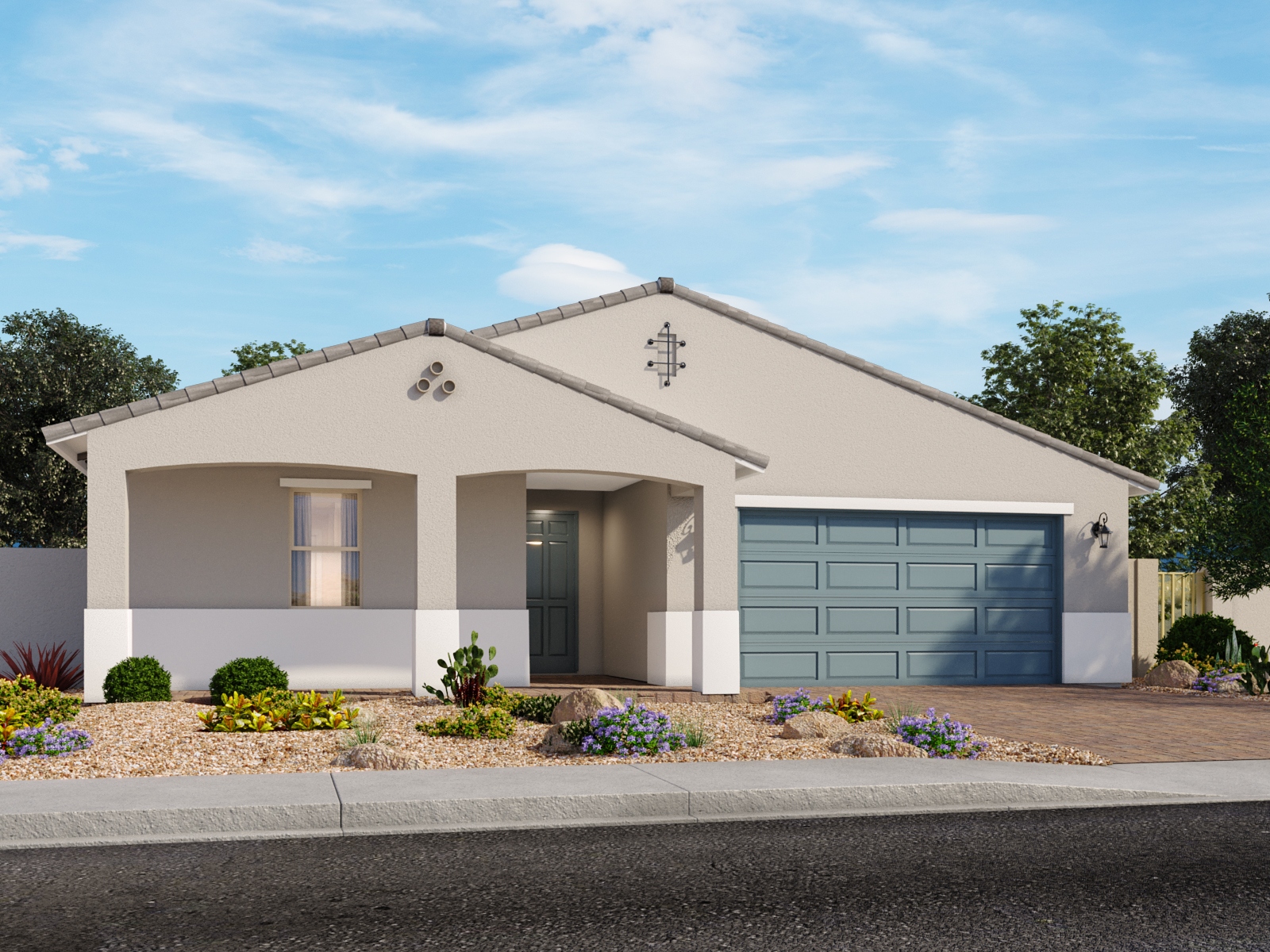
Photo by Meritage Homes Abel Ranch Signature Series in Goodyear, AZ - Meritage Homes

Abel Ranch in Goodyear, AZ

New Homes by Meritage Homes and Tri Pointe Homes

Nestled in the fast-growing West Valley, Abel Ranch is one of Goodyear’s most exciting new communities. Designed for modern Arizona living, this neighborhood combines stylish new construction, energy efficiency, and a welcoming community atmosphere surrounded by parks, trails, and mountain views.


A New Kind of Community in Goodyear

Abel Ranch brings together two award-winning homebuilders — Meritage Homes and Tri Pointe Homes — each offering distinctive neighborhoods, floor plans, and design options. The community spans hundreds of acres with open space, scenic landscaping, and a thoughtful layout that encourages walkability and connection.


Meritage Homes at Abel Ranch

Meritage Homes leads development at Abel Ranch with two different series.  Move-in ready homes are available now:

The Reserve Series

Designed for efficient, comfortable living, these single-story homes offer 3 to 4 bedrooms and 2 to 3 bathrooms, ranging from approximately 1,800 to 2,400 square feet. Clean, contemporary exteriors and open-concept interiors make them ideal for today’s homebuyers seeking simplicity and style.

The Signature Series

For those who want a bit more space and flexibility, the Signature Series features 4 to 5 bedrooms, 2.5 to 3 bathrooms, and floor plans up to 2,700 square feet. Options include covered patios, three-car garages, home offices, and gourmet kitchens with energy-efficient appliances.

Meritage Homes is known for its “Everything’s Included” approach and a strong focus on energy efficiency, meaning lower utility costs and a smaller environmental footprint.


Tri Pointe Homes at Abel Ranch

Tri Pointe Homes recently joined the Abel Ranch master plan, bringing its distinctive modern architecture and design flexibility. Their neighborhoods — including Navarre and Camerano at Abel Ranch — feature 3 to 5 bedroom homes ranging from approximately 2,700 to over 3,400 square feet.

Architecturally, Tri Pointe’s homes introduce clean lines, fresh exterior palettes, and versatile floor plans that cater to a variety of lifestyles. Many of these homes include bonus rooms, outdoor living areas, and multi-car garages.  These homes are coming soon in 2026.


Community Amenities

Abel Ranch is designed for an active, outdoor lifestyle. Residents can enjoy a mix of planned and completed amenities such as:

  • Walking and biking trails that weave through landscaped open spaces

  • Parks and playgrounds for recreation and relaxation

  • Basketball and pickleball courts for year-round fun

  • Ramadas, barbecue areas, and shaded picnic spots for weekend gatherings

  • Green belts and community gathering areas that create a true neighborhood feel


Floor Plan Highlights

Meritage Homes – Signature Series

  • Arlo Plan: 4 bed / 2.5 bath / ~2,014 sq. ft.

  • Kellen Plan: 4 bed / 2.5 bath / ~2,157 sq. ft.

  • Amber Plan:  4 bed / 2.5 bath / ~2,343 sq.ft

  • Bailey Plan: 5 bed / 3 bath / ~2,530 sq. ft.

Meritage Homes –Reserve Series

  • Arlo Plan: 4 bed / 2.5 bath / ~2,014 sq. ft.

  • Sawyer Plan: 3 bed / 2 bath / ~1,874 sq. ft.

  • Onyx Plan:  4 bed / 3 bath / ~2,140 sq.ft

  • Lark Plan: 4 bed / 3 bath / ~2,384sq. ft.


Tri Pointe Homes – Navarre 

  • Iris Plan: 3 bed / 2.5 bath / ~2,769 sq. ft.

  • Verde Plan: 4-5bed / 3.5 bath / ~3396 sq. ft.
  • Mojave Plan: 4-5 bed / 3.5 bath / ~3,421 sq. ft.

  • Pecan Plan: 5 bed / 4 bath / ~3,455 sq. ft.

Tri Pointe Homes - Camerano

  • Parker Plan: 4-5 bed / 2.5 bath / ~2,627 sq. ft.

  • Gardenia Plan: 4 bed / 3.5 bath / ~2,950 sq. ft.
  • Spring Plan: 4 bed / 3.5 bath / ~2,951 sq. ft.

  • Holly Plan: 4-5 bed / 3-3.5bath / ~3,146 sq. ft.

These homes feature open great rooms, large kitchens, spa-style owner’s suites, and optional flex spaces — perfect for home offices, creative studios, or workout areas.


The Surrounding Area

Abel Ranch enjoys a prime location in Goodyear, just minutes from shopping, dining, and outdoor recreation. Residents have quick access to:

  • I-10 and Loop 303, connecting to Phoenix, Glendale, and other West Valley communities

  • Goodyear Ballpark, spring training home of the Cleveland Guardians and Cincinnati Reds

  • Estrella Mountain Regional Park, with hiking, mountain biking, and scenic desert views

  • Local schools, healthcare facilities, and retail centers along Indian School and Litchfield Roads

With its proximity to both city amenities and natural beauty, Abel Ranch offers the perfect balance of convenience and tranquility.


Life at Abel Ranch

Whether you’re exploring your first home, upgrading your space, or seeking a new build with modern design, Abel Ranch delivers exceptional value. Between Meritage’s energy-efficient homes and Tri Pointe’s contemporary layouts, this community offers something for every homeowner.

From morning walks under Arizona’s clear skies to evenings spent entertaining on your patio, life at Abel Ranch is all about comfort, connection, and community.


📸 Photo Gallery

Meritage Homes at Abel Ranch

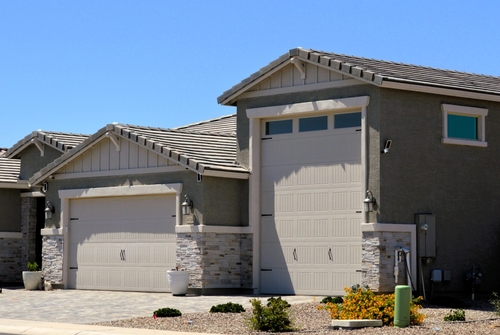
Meritage Homes Elevation – Abel Ranch
Signature Series –

Meritage Reserve Series Home – Abel Ranch
Reserve Series 

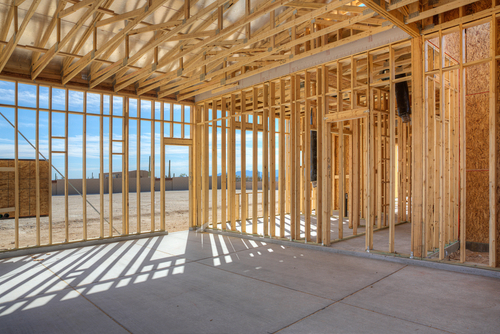
Open Concept Living
Bright interiors, high ceilings, and energy-efficient finishes define Meritage’s style at Abel Ranch.


Tri Pointe Homes at Abel Ranch

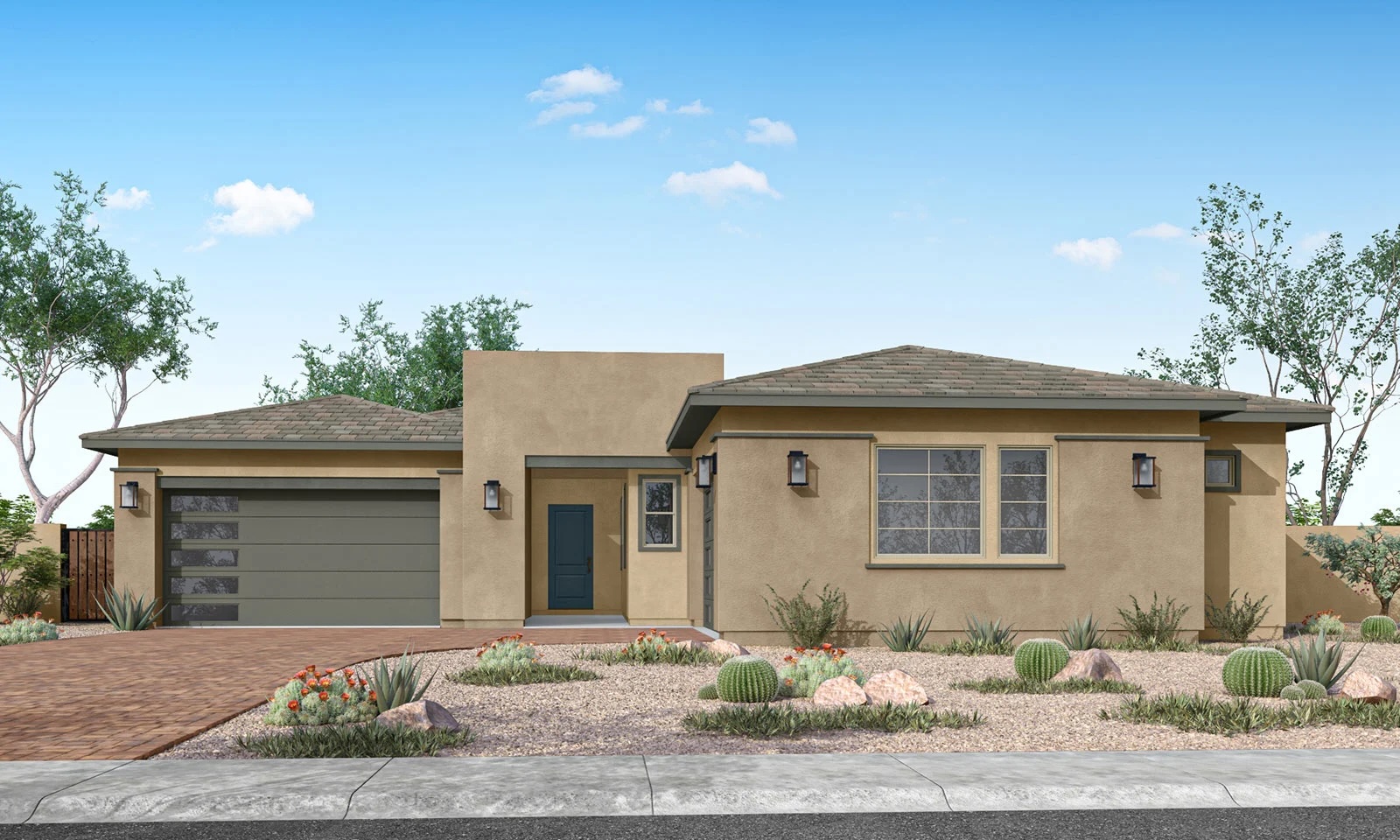
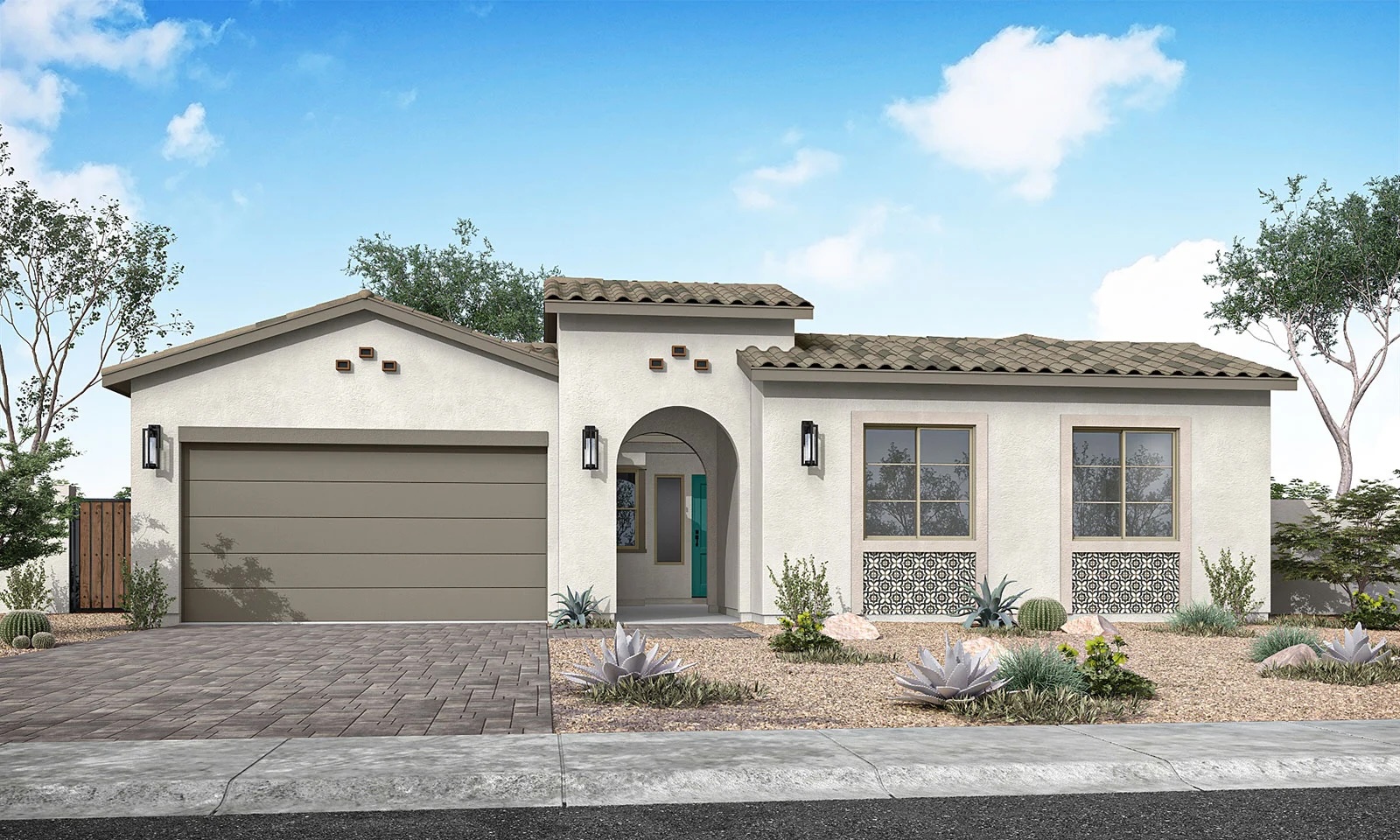
Tri Pointe Elevation – Navarre Collection
Navarre Collection
Sleek architecture with clean rooflines, modern materials, and outdoor spaces built for entertaining.

Tri Pointe Camerano Plan – Great Room Concept
Camerano Collection
Spacious living areas, gourmet kitchens, and easy access to a covered outdoor patio.


Community & Lifestyle

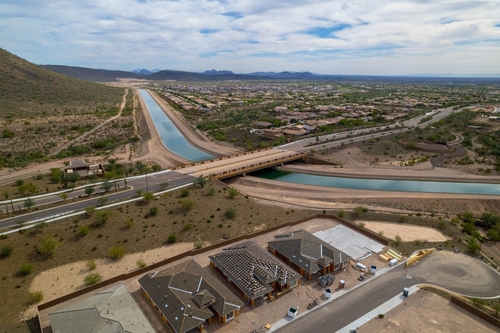
Abel Ranch Neighborhood Streetscape
Desert-Modern Streetscapes
Clean, landscaped community design with walkable paths, shaded greenbelts, and welcoming gathering spaces.


🌵 Discover the Lifestyle at Abel Ranch

Abel Ranch isn’t just another new home community — it’s a thoughtfully designed neighborhood where quality craftsmanship meets Arizona comfort. Between Meritage Homes’ energy-efficient designs and Tri Pointe’s modern architecture, you’ll find a variety of options to match your lifestyle.

With scenic desert views, easy access to Goodyear’s best amenities, and thoughtfully planned recreation spaces, Abel Ranch captures the essence of West Valley living.


🏡 Ready to Tour Abel Ranch?

If you’re considering a new home in Goodyear, Abel Ranch should be at the top of your list.
Explore available floor plans, tour furnished models, and discover move-in-ready homes available now.

👉 Schedule your private tour today and see why Abel Ranch is one of the most anticipated new communities in the West Valley.  Call or text Cinda Rose at 623-252-9350. 

**All new construction homes require you to have your real estate agent accompany you on your first visit to the model homes and sales office.  If you would like a REALTOR to represent you, then make sure to take your agent with you on that first visit.  Sometimes, they allow the agent to pre-register you on their website.  Most home builders do not give you a discount if you do not use a real estate agent, so why not have someone on your side?  In addition, the majority of new construction home builders will pay for your agent's compensation.  

Experience where modern design, energy savings, and Arizona lifestyle come together — welcome to Abel Ranch.

**All photos are from the builder's websites:  www.meritagehomes.com and www.tripointehomes.com**

Sept. 5, 2025

9 Key Sections of the AAR Purchase Contract Every Buyer & Seller Should Know


🏡 Arizona Residential Purchase Contract (2024)

9 Key Sections Every Buyer & Seller Should Know

The Arizona Association of Realtors (AAR) Residential Purchase Contract is the backbone of the sales process and is the single most important document to understand.  Here are the 9 key sections with explanations that will help make the buying or selling process in Arizona easier for you.  You can access the Purchase Contract here for reference:  AAR Purchase Contract

Please note that the AAR is very proactive and updates forms twice a year.  As of the publication date, this 8/2024 version is the most recent.


1. Property

📍 What’s Being Sold, Who The Parties Are

  • Buyer, Seller, address, parcel #

  • Price, financing terms, earnest money, closing date

  • Fixtures & personal property included


2. Financing

💳 How It’s Paid For

  • Loan type: Conventional, FHA, VA, etc.

  • Loan contingency rules

  • Appraisal contingency rules

  • Buyer must apply promptly

  • Seller concessions for closing costs

3. Title & Escrow

📑 Who Handles the Paperwork

  • Escrow company manages the closing

  • Title commitment shows liens/easements

  • Buyer to review title commitment
  • Title insurance requirements
  • Seller provides a clear, insurable title


4. Disclosure

📢 What Buyers Need to Know:  Seller Disclosures

  • Seller’s Property Disclosure (SPDS)

  • 5-year insurance claim history

  • Lead-based paint (pre-1978 homes)

  • FIRPTA (foreign seller) notice

  • Seller duties for changes during escrow

5. Warranties

🛠️ Condition of the Property

  • Sold in its present physical condition 

  • Seller maintains condition until closing

  • Buyer can request repairs or cancel


6. Due Diligence

🔍 Buyer’s Inspection Period

  • 10-day (typical) inspection window

  • Home, pest, roof, pool, septic, square footage, insurance, etc.

  • Final walkthrough before closing

  • Buyer can cancel within the inspection period due to the disapproval of items found during inspections

7. Remedies

⚖️ What If Someone Defaults?

  • Cure notice: 3 days to fix a breach

  • If not cured, contract may be cancelled

  • Risk of loss: major damage lets parties walk


8. Additional Terms

📌 Fine Print & Extras

  • Time is of the essence

  • Risk-of-loss & assignment rights

  • Entire agreement in writing

  • Acceptance deadline
  • Buyer Broker and Buyer information
  • Blank section:  additional items the buyer would like to clarify or ask for

9. Seller Acceptance

✍️ Making It Official

  • Seller accepts, rejects, or counters

  • Binding when signed & delivered


✅ Quick Takeaway

This contract balances buyer protections and seller obligations. Timelines are included to make sure the transaction closes by the agreed-upon close of escrow date.  The contract is very clear about the buyer's due diligence when investigating the home and the surrounding area.  Understanding each section ensures fewer surprises and smoother closings.  

BONUS:  The best tool for buyers to use during their home inspection period:  The Buyer's Advisory.

If you have any questions, don't hesitate to contact me!  Call or text me at 623-252-9350 or email me at cinda@cindarose.com.


Aug. 28, 2025

10 Essential Real Estate Terms Every First-Time Home Buyer Should Know

🏡 10 Real Estate Terms Every Home Buyer Should Know

Buying a new home is exciting—but it can also feel overwhelming when you start hearing real estate terms you’ve never encountered before. Understanding the language of real estate will help you feel more confident, ask better questions, and make smart decisions. Here are 10 key terms every home buyer should know:

1. Pre-Approval

Definition: A lender’s written estimate of how much you can borrow, based on your credit, income, and financial history.
Why it matters: Being pre-approved shows sellers you’re serious and gives you a clear budget before you start shopping.


2. Earnest Money

Definition: A good-faith deposit you make when submitting an offer on a home.
Why it matters: It proves your commitment to buying. If the deal goes through, the money is applied toward your down payment or closing costs.


3. Contingency

Definition: A condition in the purchase agreement that must be met for the sale to proceed.
Why it matters: Common contingencies include financing, appraisal, and inspection—protecting you if something unexpected arises.


4. Closing Costs

Definition: Fees and expenses paid at the end of a real estate transaction, usually 2–5% of the loan amount.
Why it matters: These include loan fees, appraisal fees, title insurance, and more—so you’ll want to budget for them early.


5. Title Insurance

Definition: Insurance that protects buyers and lenders against ownership disputes or claims on the property.
Why it matters: It ensures you have clear ownership and prevents financial loss if an issue with the property’s title comes up later.


6. Appraisal

Definition: An independent estimate of a property’s market value, usually required by the lender.
Why it matters: The appraisal ensures the home is worth the purchase price before a bank approves your loan.


7. Escrow

Definition: A neutral third party that holds funds, documents, and earnest money until all conditions of the sale are met.
Why it matters: Escrow protects both the buyer and seller by ensuring the transaction is handled fairly and securely.


8. Down Payment

Definition: The amount of money a buyer pays upfront toward the purchase price of the home.
Why it matters: Down payments typically range from 3% to 20%. The more you put down, the lower your monthly mortgage payments may be.


9. Home Inspection

Definition: A professional evaluation of the home’s condition, including systems like plumbing, electrical, foundation, and roof.
Why it matters: Inspections reveal hidden problems and help you avoid unexpected repair costs after you move in.


10. Mortgage Rate (Interest Rate)

Definition: The cost of borrowing money from a lender, expressed as a percentage of your loan amount.
Why it matters: Even a small difference in mortgage rates can significantly impact your monthly payment and the total cost of your loan over time.


Final Thoughts

Real estate comes with its own language, but once you know the basics, the process becomes far less intimidating. By understanding these 10 key terms, you’ll be better prepared to navigate the home-buying journey with confidence.

Thinking about buying a new home? Let’s connect—I’d love to walk you through the process and answer your questions every step of the way.  My goal is to set you up for success!  

Aug. 28, 2025

Home Buying Made Simple: Must-Haves vs. Nice-to-Haves

Narrow Down Your Home Search Easily and Save Time!

Buying a home is one of the biggest and most exciting decisions you’ll ever make. But with so many options out there, it’s easy to get overwhelmed by features, upgrades, and possibilities. One simple strategy to cut through the noise and make confident decisions is to separate your must-haves from your nice-to-haves.

What Are “Must-Haves”?

Must-haves are your non-negotiables—the features that are essential for your lifestyle and budget. These are the items that determine whether a home is truly a good fit. For example:

  • Minimum number of bedrooms and bathrooms

  • Price range and monthly payment comfort

  • Location (proximity to work, schools, or family)

  • Commute time

  • Accessibility needs

  • Lot size or type of property (condo, single-family, townhome, etc.)

If a home doesn’t meet these criteria, it’s usually not worth pursuing further.

What Are “Nice-to-Haves”?

Nice-to-haves are the extras—features that would make life more enjoyable but aren’t deal-breakers. They can help you compare two homes that both meet your must-have list. Examples include:

  • Open floor plan

  • Updated kitchen or bathrooms

  • Walk-in closets

  • Finished basement or bonus room

  • Smart home technology

  • Large backyard, pool, or outdoor entertaining space

If a home checks off your must-haves and also includes some of your nice-to-haves, that’s a big win—but remember, they’re not requirements.


Why This Matters

Making this distinction helps you:

  1. Stay focused – You won’t waste time touring homes that don’t fit your essential needs.

  2. Make faster decisions – When you know your priorities, it’s easier to say “yes” or “no” with confidence.

  3. Avoid regrets – By clearly defining what matters most, you’re less likely to feel buyer’s remorse down the road.

How to Create Your List

Grab a piece of paper (or use our downloadable checklist!) and divide it into two sections: Must-Haves and Nice-to-Haves. Start by writing down your lifestyle needs and budget constraints—then add the extras you’d love but could live without.

Pro tip: If you’re buying with a partner or family, create your lists separately first, then compare. This ensures everyone’s priorities are heard before you start house hunting.

Share your list with your REALTOR so they can help you find a home that fits what you need, hopefully with a few extra wants mixed in.   Save the list and have it handy when you start touring homes so you can stay on track.

Final Thoughts

The home-buying process can be exciting but also stressful. By knowing your must-haves vs. nice-to-haves, you’ll feel more in control, more focused, and better prepared to find the right home for your lifestyle.

Ready to start your search? I’d love to help you define your priorities and match them with the best homes available.  My goal is to help you experience success with less stress! Contact me today at 623-252-9350 to schedule a consultation!


Aug. 28, 2025

Sample Real Estate Documents for Buyers

Set Yourself Up for a Successful Road to Homeownership!  

During the home buying process, you will encounter many forms!  Below is a list of some of these documents that I suggest you familiarize yourself with.  Click on the document name to access a pdf file.  

Real Estate Agency Disclosure and Election:  This document covers how I will work with you and serve you, as well as the different agency relationships.  

Buyer Advisory: An awesome resource for buyers, this is a MUST read!!  

Pre-Qualification Form:  This form is provided by your lender and given to the seller when you make an offer on a property.  It shows the seller that you have been pre-qualified with a lender and what steps were completed during the pre-qualification.  Most sellers require this to be included with your offer.  

Loan Status Update:  Your lender will supply this form during the transaction.  You are required to provide this to the seller within 10 days of contract acceptance.  

Wire Fraud Advisory: Unfortunately, the cases of wire fraud and cyber fraud are on the rise.  Keep your information safe!  I will never send you any electronic communications with instructions to transfer funds or to provide personal information, including credit/debit card information, bank account details and/or routing numbers.  Please read the entire Wire-Fraud & Cyber-Fraud Disclosure Statement for more information.  

Residential Purchase Contract:  This is the document used to submit your offer to the seller.  It will include the offer amount and the terms and conditions.  Once signed by all parties, this is a legally binding contract.

H.O.A. Condominium/Planned Community Addendum:  The seller must provide this to disclose any HOA dues, transfer fees, disclosure fees, or other HOA fees.   Page 1 is filled out by the seller, and the buyer fills out page 3.    This form will be a part of your offer documentation, as some of the HOA fees are negotiable. 

Pool Barrier Laws:  If you purchase a home with a pool, these pool safety rules will apply.  Please check with any local ordinances as well.

Lead-Based Paint Disclosure:  If a property was built before 1978, this disclosure will be used to advise the seller to disclose any pertinent information.  Please also see the EPA, CPSC, and HUD-produced lead-based paint pamphlet, "Protect Your Family From Lead In Your Home."

Solar Addendum:  If the property has solar panels installed, the seller must disclose if they are seller-owned, utility-owned, leased, or if there is an existing loan.  If the system is leased, you must take over the lease unless you or the seller pays off the lease.  Most solar companies will not simply remove the panels.  In addition, you must qualify for the lease payments with the solar company.  You will also need to speak to your lender to make sure the solar lease payments don't affect your financing approval. You will have time during the home inspection period to learn more about the terms of the solar lease.

Residential Seller's Property Disclosure Statement:  (Commonly referred to as SPDS) Sellers are obligated by law to disclose any known material or important facts about the property.  The Arizona Association of Realtors designed this form to help sellers disclose these facts.  This should not stop you from taking an active role; you should still investigate and verify all pertinent information about the property.

If you take the time to review the documents, you will be taking one more step to set yourself up for a successful road to homeownership!


DISCLOSURE:  We try our best to keep this list updated with the most current forms, but they can change several times a year..  During a
transaction the most updated documents available will be used by your REALTOR.
Aug. 28, 2025

Avoid These 10 Things When Buying a Home

Avoid These Things When Buying a Home! 

Buying a home is one of the biggest financial decisions most people will make. While it’s exciting, it’s also a time when even small missteps can impact your ability to get financing—or even cause your deal to fall through. To help you navigate the process smoothly, here are 10 things you should avoid when buying a home.

1. Don’t Make Big Purchases on Credit

Buying a car, furniture, or expensive electronics on a credit card can increase your debt-to-income ratio and hurt your credit score. Lenders review your finances closely before approving a mortgage, and new debt can make you look riskier.

2. Don’t Change Jobs or Become Self-Employed

Lenders like stability. Changing your job or starting a new business during the home buying process can delay or jeopardize your mortgage approval.

3. Don’t Miss Payments

Whether it’s credit cards, student loans, or other bills, late payments can lower your credit score and reduce your chances of getting favorable loan terms.

4. Don’t Co-Sign for Someone Else

Co-signing increases your debt obligation in the eyes of lenders. Even if the other person pays on time, the debt still counts against you.

5. Don’t Quit Using Credit

Completely closing credit cards or stopping all credit activity can sometimes look suspicious to lenders. Keep accounts open and in good standing.

6. Don’t Make Major Life Changes

Large life changes like moving, taking on new financial obligations, or opening multiple new credit accounts can complicate the loan process.

7. Don’t Assume You Can Overlook Pre-Approval

Shopping for a home without pre-approval is risky. Sellers want financially ready buyers, and pre-approval helps you make strong offers confidently.

8. Don’t Ignore Your Budget

It’s easy to get swept up in a dream home, but stretching beyond your budget can lead to financial stress and may also affect your loan approval. Stick to what you can realistically afford.

9. Don’t Skip the Home Inspection

Waiving an inspection to make your offer more appealing can backfire. Hidden issues could cost you thousands later and even complicate financing if repairs are needed before closing.

10. Don’t Go Rogue on Advice

While friends and family may have good intentions, always rely on your Realtor, lender, and other qualified professionals for guidance. Missteps in the process can affect your financing, contract terms, and ultimately, your dream home.

🏡 Bottom Line: Buying a home requires careful financial planning and attention to detail. Avoiding these common mistakes can protect your credit, strengthen your offer, and make the buying process smoother from start to finish.

Aug. 28, 2025

Home Buyer Tip: Investigate the Neighbhorhood

West Valley NeighborhoodsDo you have an eye on a certain neighborhood that you'd like to live in?  How much do you know about this area?  Buying a home is a big commitment and investment, so it's important to do some research before spending your time searching for a home only to later find out you really don't like the neighborhood! Besides, there's much more to a neighborhood than first meets the eye.

Items to Check Out and Useful Links:

Buyer Advisory:

The Arizona Association of Realtors (AAR) created the Buyer Advisory to help buyers investigate a property and the surrounding area.  It has great suggestions, information, and resources for buyers.  Click below to access a PDF of the AAR Buyer Advisory.

AAR Buyer Advisory

Home Prices:  

Check out what homes are selling for in a neighborhood.  Are you getting enough home for your money in this neighborhood, or will you need to make some compromises?  A Realtor can send you the range of home prices in a neighborhood to help you decide if it is a good fit. You may choose a home just outside your target neighborhood to get more square footage for your money.

Market Statistics:  

A Realtor can also provide you with a snapshot of how home values have increased or decreased in the neighborhood and where it looks like the values are headed.  Other important market statistics include how fast homes are going under contract, how fast they are closing, how much competition you will face, and other current market conditions that can affect your home-buying experience.

Taxes and Assessments:  

While you are investigating the prices, take a look at the property taxes as well as any assessments.  Most assessments show up on the county tax records, but I have a title company that can also see if a property has any assessments or restrictions attached to the title.  

Crime Reports and Statistics:  

It is also a good idea to research the crime in a neighborhood. Here are some resources to get you started:

Schools:  

For home buyers with children or ones who plan on having children while living in the new home, the school district is important.  It's also a common fact that homes in good school districts typically sell for more and hold their value better.  Here are some tips for investigating the schools in the area.
  1. Check out the schools in the area at www.greatschools.org.  You can find ratings for schools as well as other useful information.   
  2. Jump on Facebook and look for the school or district page, as well as the community's page
  3. Google the school to find out any negative or positive news.  
  4. Consider a charter school; they continue to grow in popularity in Phoenix's West Valley.  Do a Google search and find out if there are any Charter schools in the neighborhood as well.

Drive By:  

There is a ton of information on the internet that can help you investigate a neighborhood, but sometimes it's better to see an area in person to get a more objective view.  It's crucial to drive through a neighborhood at different times of the day to see what traffic and pedestrian activity are like.  It's also a good idea to drive through the neighborhood on the weekends or during your commute times. 

Amenities:      

Want to know the best pizza place?  Or a great place to hang out for a cup of coffee on a Saturday morning?  Use Yelp to find restaurants, coffee shops, gyms, grocery stores, and more nearby.  Be sure to check out the reviews. Use Google Maps to see nearby parks and activities. 

City and community info:  

Check out the city’s or community’s Facebook page, website, and blog.  Go to the city’s website and check out any useful news or upcoming events.  Here are the links to websites for some of the cities in the West Valley:

Demographics:  

It's also a good idea to investigate the demographics of a neighborhood.  Click the links below to see a report for these cities in the West Valley (reports updated 8/28/2025):

Climate and Weather:   

Arizona is famous for its overall mild temperatures and sunny days.  Of course, it gets hot here in the summer! But most people feel it's worth the trade-off to not have to deal with the cold winters and shoveling snow! The Weather Channel website is a great place to learn about Arizona weather.

Future Freeway/Highway Projects:

The Arizona Department of Transportation website provides information on statewide projects and future projects.  The Maricopa County Department of Transportation website also has information about their current and upcoming projects. 

Researching a particular house or street:  

When you narrow it down to a particular house or street, there are a few more things you can do.  First, Google the street address of the home.  Check to see if there are any home businesses registered nearby that would be a deterrent.  Call your insurance agent and make sure the property is insurable.  Have your Realtor do some research about the property or properties on that street for you.  Your Realtor will have access to tax records, the MLS, and other resources that can provide you with more information about a property. A local Realtor can be a great source of information for buyers.

SUMMARY

By investigating a neighborhood thoroughly, you can save yourself time and money.  And don't forget, the Buyer's Advisory is an amazing tool to use when doing your investigations!  Doing your due diligence and investigating the neighborhood is just one more step in helping you set yourself up for a successful road to homeownership!  Contact me if I can help in any way!
Aug. 28, 2025

Why a Pre-Approval is Better

What’s the Difference Between Pre-Qualification and Pre-Approval?

If you’re thinking about buying a home and plan to finance your purchase, you’ve probably heard the terms pre-qualification and pre-approval. They may sound similar, but in real estate, they carry very different weight. Understanding the difference can make or break your offer when it’s time to compete for your dream home.

Pre-Qualification: A First Step

Pre-qualification is usually a quick process. You provide a lender with some basic financial information—like your income, debts, and assets—often over the phone or online. Sometimes the lender will pull your credit report, sometimes they won’t. Based on what you share, the lender gives you an estimate of how much you might be able to borrow.

👉 Think of pre-qualification as a ballpark figure. It’s useful for getting an idea of your price range, but it doesn’t carry much weight with sellers since none of your information has been verified.

Pre-Approval: The Real Deal

Pre-approval is a much stronger step. It requires completing a full loan application, which means your lender will:

  • Pull and review your credit

  • Verify your employment and income

  • Check that you have sufficient funds for a down payment and closing costs

Once you’re pre-approved, you essentially have a green light from the bank to purchase up to a specific loan amount. That way, when you make an offer on a home, the seller knows you’re a serious and qualified buyer.

Why Pre-Approval Matters

Savvy buyers get pre-approved before they even start shopping for a home. Here’s why:

  • Stronger Offers: Sellers want to work with pre-approved buyers—it gives them confidence that the deal will close.

  • Negotiating Power: A pre-approval letter can make your offer stand out in a competitive market.

  • Faster Closings: Since much of the financial legwork is already done, pre-approval can save days or even weeks off the closing process.

  • Fewer Surprises: It helps avoid last-minute financing issues that could derail the transaction.

Ready to Take the Next Step?

If you don’t already have a trusted mortgage professional, I’d be happy to connect you with some great local lenders. Send me an email at cinda@cindarose.com and I’ll share a few recommendations.  Or call me at 623-252-9350.  

Aug. 28, 2025

Beat the Competition When Buying a Home

How To Win the Home You Want! 

Whether you’re shopping for a home in a hot seller’s market, a balanced market, or even a slower buyer’s market, competition always exists. Sometimes it’s other buyers, sometimes it’s timing, and sometimes it’s about knowing how to put your best foot forward. No matter the market conditions, the key to success is being prepared, strategic, and informed.

Here are some ways to stay ahead:

1. Get Your Financing in Order

A strong financial position always gives you an advantage. Even in slower markets, sellers take buyers more seriously when they’re pre-approved (not just pre-qualified). If you’re paying cash, be ready to show proof of funds so the seller knows you’re solid.

2. Understand the Local & Hyperlocal Market

Real estate isn’t “one-size-fits-all.” Even within the same city, market conditions can differ dramatically between neighborhoods, school districts, or even specific streets. A home in one subdivision may get multiple offers in a day, while another just a mile away may sit for weeks. Knowing these hyperlocal trends—like how fast homes sell, average price points, and what buyers are prioritizing—can give you a huge edge when making an offer.

3. Be Ready to Move at the Right Pace

  • In a hot market: You’ll need to act quickly, tour homes fast, and submit competitive offers.

  • In a balanced market: You may have a bit more time to negotiate, but you still want to present a clean and appealing offer.

  • In a buyer’s market: You may have more leverage, but moving too slowly can still mean losing the best homes to other prepared buyers.

4. Write a Strong, Clean Offer

Regardless of market conditions, sellers appreciate simplicity. Limit unnecessary contingencies, be flexible with closing dates, and make sure your offer shows commitment. Even in slower markets, sellers often gravitate toward buyers who seem reliable and prepared.

5. Use Creative Strategies When Needed

In competitive situations, you might consider:

  • An escalation clause to automatically outbid other offers (within limits).

  • A larger earnest money deposit to show commitment.

  • Covering some of the seller’s costs (like offering to pay for a home warranty or a portion of closing costs) to make your offer stand out without necessarily increasing your purchase price.

6. Partner with the Right Realtor

The single biggest advantage you can have in any market is working with an experienced local Realtor. They understand not just market-wide trends, but also the hyperlocal details—like where competition is fiercest and how to structure an offer that appeals to sellers in that specific area.

🏡 The Bottom Line: Every real estate market is different, but the rules of winning are the same: prepare early, understand both local and hyperlocal market dynamics, and work with a Realtor who can guide you through the process. When you combine knowledge with strategy, you put yourself in the best position to secure the home you want.

👉 Ready to start your home search? Schedule a no-obligation buyer consultation call with me today. We’ll talk about your goals, answer your questions, and create a personalized strategy to help you find—and win—the right home.  I look forward to helping you experience success with your real estate goals! 


Aug. 27, 2025

Buying a Home in an HOA--What You Need to Know

West Valley Neighborhoods

Buying a Home with an HOA in Arizona? Here’s What You Need to Know

If you’ve been searching for homes in Arizona—especially in areas like Goodyear and Buckeye in the West Valley—you’ve probably noticed that a lot of them are in communities with a homeowners association, or HOA.

For many first-time buyers, the idea of an HOA can feel a little overwhelming. Is it good? Is it bad? What do you really need to know before saying yes to a home with an HOA? Let’s break it down.

What Exactly is an HOA?

Think of an HOA as the neighborhood “management team.” They collect fees from homeowners and, in return, they maintain the community. That might mean taking care of the landscaping in common areas, maintaining the pool, or even enforcing rules that keep the neighborhood looking nice.  

Sounds great, right? But here’s the catch—you’ll also need to follow their rules and pay their fees, so it’s important to know what you’re signing up for.

The Basics Every Buyer Should Know

💰 HOA Fees

Every HOA charges dues, and they can vary a LOT. Some communities are as low as $30–$50 per month, while others (with big amenities like gyms, parks, and gated security) can run several hundred dollars a month. Always ask: What do these fees cover?

📜 Rules & Restrictions

Want to paint your house purple, park your RV in the driveway, park your car on the street, or add a basketball hoop? Some HOAs may say no. Rules vary by community, so make sure they align with your lifestyle.  Community HOAs can be run by either management companies or a board of homeowners that the community elects.

🏦 Financial Health of the HOA

This one’s huge. An HOA with a healthy budget and reserve fund can handle repairs and improvements. If the finances aren’t strong, you could be hit with a special assessment—basically an extra bill sent to homeowners to cover unexpected costs.

🏡 Resale & Rental Rules

Thinking you might rent your place down the road, maybe even as an Airbnb? Some HOAs allow it, some don’t. Better to find out now than after you’ve moved in.

Smart Questions to Ask Before You Buy

Here are some must-ask questions when considering a home with an HOA:

  • How much are the dues, and what exactly do they cover?

  • Have fees gone up recently—or are increases planned?

  • Does the HOA have enough money in reserves for big repairs?

  • Are there any special assessments coming up?

  • What kinds of improvements or changes need HOA approval?

  • Are rentals (short- or long-term) allowed?

  • Is the HOA involved in any lawsuits right now?

  • What are the rules for parking on the street?

Pro tip: In Arizona, sellers are required to give you the HOA disclosure package, which includes rules, budgets, and financials. Don’t just skim it—review it carefully during your inspection period.  This package will come from the title company.


Arizona-Specific Things to Watch For

  • Transfer Fees: Some HOAs in Arizona charge a fee when a home changes ownership. Be sure to ask about this early.  This fee will be disclosed by the seller on the HOA Disclosure, but it always smart to double-check with the HOA.

  • Water-Wise Landscaping: Many Arizona HOAs have rules about desert-friendly landscaping (which makes sense given our climate!). Before you plan a lush backyard with tons of grass, check what’s allowed.


Bottom Line

An HOA can be a great thing—it keeps neighborhoods looking sharp and can give you access to some awesome amenities. But it also comes with rules, responsibilities, and extra costs. The key is making sure the HOA fits your lifestyle and budget.

Buying your first home is exciting, and with the right info, you can find a community that feels like the perfect fit!