May 8, 2014

BUYER EMPOWERMENT UNIVERSITY #1 Qualifying for a Home

Welcome back to The West Valley Home Team Buyer Empowerment University! Post #1 covered the 5 Steps of Buying a Home, now we are going to take a more in-depth look at Step 1:  Qualifying for a Home.

Step 1: Qualifying For a New Home

Most home buyers require financing for their new home. Qualifying for a new home is an important first step that must be completed before writing an offer on a property.

Part 1:  Pre-Qualification vs. Pre-Approval

Many buyers needing or wanting financing call their lender seeking information. In the process, they become pre-qualified based on the information provided on the phone. A pre-qualification gives a buyer a good idea of what they can afford, or more accurately, what loan amount they qualify for and it allows them to place offers on properties. Sometimes the lender will pull their credit to assess their situation, sometimes they do not. In order to strengthen your offer, you should take it one step further, however, and ask to be pre-approved. When you become pre-approved, you actually apply for a loan. The lender checks credit, verifies employment, and often verifies that you have sufficient funds to close. Then once you find your dream home, just about the only thing left is the appraisal.

The reason savvy buyers obtain loan approval before shopping for a home is that it strengthens their negotiating position when they make an offer. All sellers want to sell their home to a pre-approved buyer. Pre-approval can also cut days, even weeks, off the closing process. And it can save the seller and the buyer from the unpleasant snags in financing that can occur and threaten a transaction from closing at the last minute.

If you don't have a bank or mortgage professional that you are working with, please email me at cinda@wvhometeam.com and I can forward the names of some local mortgage professionals.

Part 2:  The 3 C's of Mortgage Lending

When determining if you will qualify for a mortgage loan, it is important to know the things lenders look for. Bottom line is that lenders want to make sure that you are able to pay back the money that you are borrowing from them in a timely manner each month. When qualifying a buyer, lenders look at the “3 C’s in Credit:”

1. Credit: Does your credit history display a history of creditworthiness?

Quite simply, have you paid your bills on time? An acceptable credit record is established by your past paying history. A lender wants to see that you have a history of making ongoing payments and successfully managing your obligations. When your credit score is high then you are a better risk for repaying the loan.

2. Capacity: Can you show you have the capacity or ability to pay back the loan?

Lenders look to see if your current financial situation shows your ability to repay the mortgage loan based on your current income and expenses. Do you make enough to afford the new payment in addition to your current expenses? Job stability also pays a key factor to showing you can repay the loan.

3. Collateral/Cash: Do you have the cash?

Why do lender’s ask for a downpayment? A downpayment creates equity in the property. The higher the downpayment the more equity you are creating from the start. The new property is collateral for the financing and if you stop paying the mortgage, the lender gets the house. More equity provides less of a risk for the lender. Plus you have more skin in the game. The lenders also like to see “reserves” in your bank account. Reserves are money set aside for mortgage payments in case something should happen to your source of income.

A mortgage professional can let you know the credit, capacity and collateral/cash requirements for different loan programs. A mortgage professional can also help you work on improving your credit score if needed.

Part 3: How Much House Can You Afford?

1. Get your finances in order.

If you do not already have a budget set up, now would be a good time to do so. You can either create your own or use a website like Mint.com to help track your income and spending.

2. Determine what your monthly housing costs are now.

Are you comfortable with your current housing costs? Do you think you could handle more each month? If you are currently renting here's a factor that might help you determine what mortgage payment you can afford. Generally the tax benefits of owning a home allow you to afford a home one-third more than your current rental payment. Simply multiply your current rent by 1.33 to estimate the mortgage payment equivalent. Speak to a tax expert about the tax benefits of owning a home.

3. Determine what your new monthly housing costs will be when you purchase a home.

Items such as property taxes, home owner's association fees, insurance, maintenance costs, home warranty plan fee, and utilities need to be considered when figuring out your monthly housing cost. A mortgage professional and a Realtor can help you figure out your new monthly housing costs.

4. Calculate your debt-to-income ratio.

Your debt-to-income ratio (DTI) is the percentage of your monthly gross income that goes toward paying your debt. When qualifying for a new loan, lenders look at two kinds of DTI. First they look at the front-end ratio, or the percentage of income that goes toward your housing costs. This includes principal, interest, mortgage insurance, homeowner's insurance, property taxes and homeowner's association dues.

The second DTI is your back-end ratio. This indicates the ratio of how much income goes toward paying all recurring debt payments. This includes your mortgage payment plus other debts such as credit card payments, car loan payments, child support payments, alimony payments and any legal judgements that you pay each month.

Typically the lenders require a ratio of 28/41, but all programs vary. This means your front-end ratio (total mortgage payment) can be 28% of your monthly gross income. Your back end-ratio (all recurring monthly debt payments including your mortgage payment) can be 41% of your monthly gross income. Some loan programs have different DTI ratio requirements so check with a mortgage professional. If your back-end ratio is high you may need to work on paying off some debt before purchasing a home.

5. Decide your downpayment amount.

Examine your finances and decide what downpayment you feel comfortable with. Speak to a mortgage professional about the types of loan programs out there to determine your minimum required downpayment. A mortgage professional can also help you determine the pros and cons of providing a higher or lower downpayment.

6.  Be prepared for closing costs.

Make sure to speak to your lender and Realtor about the closing costs involved in purchasing a home.  Typically closing costs run between 3% and 5% of the loan amount and are in addition to your down payment.

7. Use our easy How Much House Can I Afford calculator.

Now that you have your financial numbers together and have an idea of what you can afford, play around with our calculator to see how different sales prices and different downpayment amounts affect your monthly payment. This calculator helps you determine how much house you can afford by analyzing your income, debt and current mortgage rates. How Much House Can You Afford Calculator 

What's next?  The next The West Valley Home Team Buyer Empowerment University post will examine Step 2:  Finding a Home

Missed the last post? Click here to view The 5 Steps of Buying a New Home.
May 8, 2014

BUYER EMPOWERMENT UNIVERSITY 5 Steps of Buying a Home

Welcome to The West Valley Home Team Buyer Empowerment University, a series of blog posts providing you with the information you need to make your home buying process easier.  Whether you are a first-time homebuyer or it has been awhile since you purchased a home, the home buying process can sometimes appear complicated and daunting.  We believe good decisions are based upon good information.  After all buying a home is, perhaps, the single largest financial and emotional decision most face in their lifetime. 

To get started, here's an overview of the home buying process that we will later cover in detail in further posts:

The 5 Steps of Buying a Home 

Step 1:  Qualifying for a Home

We will show you how to figure out how much house you can afford and what you can qualify for. We will also provide you with some great information about pre-qualification vs pre-approval as well as closing costs you will encounter.

Step 2:  Finding a Home

We will let you know some important tips about finding the right home.

Step 3:  Making an Offer

Once you locate a home you want to buy it is time to make an offer to the seller.  We will go over the important things to consider when placing an offer on a home.

Step 4:  Getting the Home Inspected

Once the seller has accepted your offer it is time to deposit your earnest money.  Typically you will have 10 days to perform any inspections on the property after offer acceptance.  It is recommended that you hire a professional home inspector and also have a termite inspection completed.  We will answer the most FAQs about home inspections.

Step 5:  Closing on Your New Home

We will go over the closing steps that need to be completed so you can take possession of your new home.

What’s next?  The next The West Valley Home Team Buyer Empowerment University post will examine what lenders look for when qualifying someone for a new mortgage loan.  Check out our Qualifying for a Home post.

May 7, 2014

Days on Market (DOM) Calculations


How are the Cumulative Days on Market (CDOM) and Agent Days on Market (ADOM) calculated?

On the Arizona Regional Multiple Listing Service (ARMLS), Arizona's MLS, Days on Market (DOM) refers to the number of days that a property takes to sell, from the time that it is listed to the time an accepted contract is signed. Once a property is listed on the MLS and Active, DOM will begin at zero if it has not been listed (and Cancelled or Expired) in the last 90 days.

Listings accrue Days on Market (DOM) while in either Active status or UCB status. If a property is changed to Temporarily Off Market (TOM) or Pending it stops the DOM from accumulating days.

There are two types of DOM calculations, Cumulative Days on Market (CDOM) and Agent Days on Market (ADOM). CDOM is the total number of days a property has been on the market. ADOM is the amount of days the current Realtor has had the property listed on the MLS.

Once a property is listed for the first time in 90 days, both the CDOM and the ADOM begin at zero. If the listing is Cancelled or Expired and the seller relists the property with a different Realtor within 90 days, the CDOM from the previous listing period will carry over to the new listing. The ADOM will begin at zero since it was listed with a new Realtor. If the seller relists with the same Realtor within 90 days, the ADOM will also carry over from the old listing. So in other words, in order to have the CDOM start at zero again after a seller cancels or lets a listing expire, the seller must wait 90 days to relist the property.

Want to learn more about the home buying process?  Check out our Buyer Empowerment University Series which starts with The 5 Steps of Buying a Home. Or go back to the Property Status on MLS post.

April 21, 2014

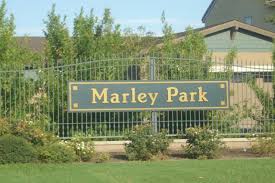
Marley Park in Surprise Arizona

Marley Park in Surprise ArizonaDMB is a real estate development company best known for unique neighborhoods like Verrado in Buckeye and DC Ranch in Scottsdale.  But there is another little DMB community worth checking out, Marley Park in Surprise.  Marley Park is a community based on neighborhoods, uniquely themed parks, a private resident's club and community pool along with countless neighborhood activities.  To find out more about Marley Park please check out my blog on Active Rain:

 

Top 3 Reasons to Live in Marley Park, Surprise


April 2, 2014

West Valley Distressed Property Report March 2014

Phoenix's West Valley Distressed Property Report

Wondering how many short sales and foreclosures are on the market?  Gathering information on Short Sales and Foreclosures in the West Valley is easier with the Distressed Property Report.  The Distressed Property Report contains three interactive maps:  short sales, foreclosures and a map of all distressed properties.  Each map is a snapshot of the active distressed properties on March 31 aggregated by ZIP code.  By clicking on a zip code's dot, the percentage of Active properties to distressed properties will be displayed.

View March Distressed Property Report

If you or someone you know is struggling with paying their mortgage visit our website, www.WestValleyShortSales.com, to learn more about how to avoid foreclosure.

Posted in Market Statistics
March 24, 2014

Different Types of Real Estate Home Loans

Different Types of Real Estate Home Loans, FHA, VA, USDA and Conventional Loans: Which One is Right for You?

FHA, VA, USDA, Conventional LoansSince purchasing a home is usually the largest financial purchase a person makes, the majority of buyers require a loan from a lender to purchase a new home. Understanding the difference between the types of loans out there, such as FHA, VA, USDA and conventional loans, can help you decide which loan program is right for you. Each one has different requirements such as maximum loan amount, amount of down payment required and credit requirements.

FHA Loans

  • The Federal Housing Administration (FHA) insures loans made by private lenders (banks or mortgage companies) to eligible buyers. The government insures the loan against default.
  • The FHA loan limit in Maricopa is $271,050.
  • FHA allows a down payment of just 3.5% and it may consist entirely from gift funds.
  • In addition to the low down payment, FHA offers low closing costs and easy credit qualifying.
  • Monthly mortgage insurance and 1.75% upfront Mortgage Insurance Premium.
  • Less than perfect credit is OK.
  • There are several FHA programs. One FHA program helps buyers who experienced a recent short sale, foreclosure or bankruptcy through their Back to Work loan program. Another allows you to buy a home and include the costs of fixing it up into one loan.

VA Loans

  • VA loans are a no money down program available to eligible American veterans or their surviving spouses.
  • Guaranteed by the US Department of Veteran Affairs (VA), the VA does not lend the money, it backs loans made by private lenders to veterans.
  • The VA loan limit in Maricopa is $417,000.
  • There are VA Jumbo loans available above $417,000, however there is a down payment required.
  • VA loans are great for buyers with limited income, no cash reserves and average to lower credit scores.

USDA Loans  

Please Note:  Update:  USDA loans are still available, however the area of eligibility has changed.  Most of Buckeye is no longer included in the eligible area.  Visit the USDA site to see the eligibility map for Arizona.  You can also type in an address to see if the property is in an eligible area:  USDA Website

There are other low down loan programs available that you may qualify for.  Contact cinda@wvhometeam.com to learn more.
 

  • USDA Rural Development Department offers a direct mortgage as well as a government guaranteed loan.
  • There isn't a loan limit for USDA financing.
  • The income limit affects how much of a loan you can qualify for.
  • In Maricopa County the maximum income is $74,750 for up to a 4 person household (some variances apply, please speak with a mortgage professional).
  • Like VA loans, USDA loans do not require a down payment.
  • The properties that are eligible for USDA financing is limited as only certain rural areas qualify for USDA loans, such as Buckeye.
  • USDA loans are great for buyers that do not have a down payment but good credit.

Conventional Loans

  • A conventional loan is a loan secured by investors that it is not insured by FHA or guaranteed by VA. Often called a non-government sponsored entity (non GSE) loan.
  • In Maricopa the maximum loan limit for conventional loans is $417,000.
  • In general 5% down payment required.
  • In most cases 100% of the down payment can come from a gift.
  • Both fixed and adjustable rate loans are available.
  • Private mortgage insurance required if down payment is less than 20%.
  • Best for buyers with great credit scores and money available for a down payment.

If you are looking to buy a home soon your first step should be to speak to a mortgage professional about the programs you can qualify for. Your credit, savings and income greatly affect which program will work best for you. If you would like the contact information for some local mortgage professionals please feel free to contact us at 623-252-9350.


Jan. 12, 2014

Homes for Sale near Luke Air Force Base

Luke Air Force BaseLuke Air Force Base is located in Glendale AZ and is now going to be the home of the new F-35 training site. The transition at Luke from its F-16 pilot-training program to the F-35 pilot-training program will increase the base’s personnel by about 2,300 — to 9,200, according to the Air Force.

If you are looking for homes for sale near and around Luke Air Force base then this is the site for you! The West Valley HomeTeam has the easiest and fastest home search site in the West Valley. 

You could look at homes in Glendale, Litchfield Park, Goodyear, Avondale, Surprise or Buckeye, all of which are within easy commuting distance from Luke AFB.

Information from Trulia.com on each of the areas below:

Glendale: Average price per square foot for Glendale AZ was $100, an increase of 17.6% compared to the same period last year. The median sales price for homes in Glendale AZ for Oct 13 to Jan 14 was $165,000 based on 758 home sales. Compared to the same period one year ago, the median home sales price increased 10.7%, or $16,000, and the number of home sales decreased 17.7%. There are currently 982 resale and new homes in Glendale on Trulia, including 8 open houses, as well as 1,686 homes in the pre-foreclosure, auction, or bank-owned stages of the foreclosure process. The average listing price for homes for sale in Glendale AZ was $213,965 for the week ending Jan 01, which represents a decrease of 1.2%, or $2,506, compared to the prior week. Popular neighborhoods in Glendale include Arrowhead Lakes Association and Highlands at Arrowhead Ranch, with average listing prices of $452,767 and $296,873. 

Click here to see all the homes for sale in Glendale AZ

Litchfield Park: Average price per square foot for Litchfield Park AZ was $107, an increase of 16.3% compared to the same period last year. The median sales price for homes in Litchfield Park AZ for Oct 13 to Jan 14 was $254,000 based on 105 home sales. Compared to the same period one year ago, the median home sales price increased 15.3%, or $33,789, and the number of home sales decreased 46.4%. There are currently 201 resale and new homes in Litchfield Park on Trulia, including 1 open house, as well as 156 homes in the pre-foreclosure, auction, or bank-owned stages of the foreclosure process. The average listing price for homes for sale in Litchfield Park AZ was $313,907 for the week ending Jan 01, which represents an increase of 0.6%, or $1,972, compared to the prior week. Popular neighborhoods in Litchfield Park include Litchfield Greens and Wigwam Creek North, with average listing prices of $393,130 and $192,155.

Click here to see all the homes for sale in Litchfield Park AZ

Goodyear: Average price per square foot for Goodyear AZ was $107, an increase of 11.5% compared to the same period last year. The median sales price for homes in Goodyear AZ for Oct 13 to Jan 14 was $225,990 based on 233 home sales. Compared to the same period one year ago, the median home sales price increased 3.1%, or $6,790, and the number of home sales decreased 54.9%. There are currently 719 resale and new homes in Goodyear on Trulia, including 5 open houses, as well as 404 homes in the pre-foreclosure, auction, or bank-owned stages of the foreclosure process. The average listing price for homes for sale in Goodyear AZ was $263,280 for the week ending Jan 01, which represents an increase of 0.6%, or $1,679, compared to the prior week. Popular neighborhoods in Goodyear include Pebblecreek and Estrella Mountain Ranch, with average listing prices of $391,911 and $310,378.

Click here to see all the homes for sale in Goodyear AZ

Avondale: Average price per square foot for Avondale AZ was $87, an increase of 20.8% compared to the same period last year. The median sales price for homes in Avondale AZ for Oct 13 to Jan 14 was $160,000 based on 209 home sales. Compared to the same period one year ago, the median home sales price increased 12.7%, or $18,000, and the number of home sales decreased 2.3%. There are currently 323 resale and new homes in Avondale on Trulia, including 2 open houses, as well as 590 homes in the pre-foreclosure, auction, or bank-owned stages of the foreclosure process. The average listing price for homes for sale in Avondale AZ was $181,111 for the week ending Jan 01, which represents an increase of 2.9%, or $5,071, compared to the prior week. Popular neighborhoods in Avondale include Rancho Santa Fe and Cambridge Estates, with average listing prices of $174,535 and $139,138.

Click here to see all the homes for sale in Avondale AZ

Surprise: Average price per square foot for Surprise AZ was $103, an increase of 15.7% compared to the same period last year. The median sales price for homes in Surprise AZ for Oct 13 to Jan 14 was $179,450 based on 608 home sales. Compared to the same period one year ago, the median home sales price increased 14.3%, or $22,450, and the number of home sales decreased 25.3%. There are currently 1,286 resale and new homes in Surprise on Trulia, including 12 open houses, as well as 770 homes in the pre-foreclosure, auction, or bank-owned stages of the foreclosure process. The average listing price for homes for sale in Surprise AZ was $228,416 for the week ending Jan 01, which represents an increase of 1%, or $2,372, compared to the prior week. Popular neighborhoods in Surprise include Mountain Vista Ranch and Sierra Montana, with average listing prices of $176,957 and $206,464.

Click here to see all the homes for sale in Surprise AZ

Buckeye: Average price per square foot for Buckeye AZ was $86, an increase of 11.7% compared to the same period last year. The median sales price for homes in Buckeye AZ for Oct 13 to Jan 14 was $162,537 based on 192 home sales. Compared to the same period one year ago, the median home sales price increased 11.8%, or $17,121, and the number of home sales decreased 52.1%. There are currently 844 resale and new homes in Buckeye on Trulia, including 614 homes in the pre-foreclosure, auction, or bank-owned stages of the foreclosure process. The average listing price for homes for sale in Buckeye AZ was $202,753 for the week ending Jan 01, which represents an increase of 1.8%, or $3,540, compared to the prior week. Popular neighborhoods in Buckeye include Verrado and Sun City Festival, with average listing prices of $308,840 and $242,968.

Click here to see all the homes for sale in Buckeye AZ

If you have any questions or would like to view one of the homes you find, just give The West Valley Home Team a call at 623-252-9350, we are The West Valley Real Estate Experts!

Dec. 12, 2013

Litchfield Park named "The Best City in Arizona"

Natalie Grigson - Staff Writer

Grab your sunscreen and maybe a hat for good measure, as we take you on a virtual tour of what makes these 10 cities the best in the state

  1. Litchfield Park
  2. Gilbert
  3. Fountain Hills
  4. Oro Valley
  5. Paradise Valley
  6. Surprise
  7. Carefree
  8. Chandler
  9. Scottsdale
  10. Peoria

Shocked to see Litchfield Park as the best city in Arizona? Surprised to see Surprise at No. 6? Well, be Carefree, readers, and continue on to find out just how we got these rankings and what makes each of these 10 cities such a great.

Warning: Puns are an unavoidable side effect of such wonderfully named cities. Sorry ahead of time.

How We Did It

In order to find the 10 best cities in Arizona, we relied on the following seven criteria:

  • Population density (higher is better)
  • Cost of living
  • Crime rate
  • High school diploma attainment rate
  • Median household income
  • Median home value
  • Sunny and warm temperatures

We started with a list of the 84 most populous cities, towns, and Census Designated Places in Arizona, then gave each a rank from one to 84 in the criteria listed above, based on the data. From there, we took into account which cities were closest to Arizona’s natural beauty—places like Vermilion Cliffs, Wupatki and Sunset Crater National Monuments, the Petrified Forest National Park, oh and something called the Grand Canyon.

After we rated each city, we averaged the criteria together and gave each an overall score. The lower the number, the better. To find out how all 84 places in our study ranked, scroll down to the bottom of the post. For now, though, let’s start with the best city in Arizona, Litchfield Park.

1. Litchfield Park

The Best Cities in Arizona

Source: Flickr user S C Hargis Photography

Litchfield Park comes in as our No. 1 town for scoring well in almost all of our criteria, but particularly when it comes to a low crime rate, a high median income, high home value, and some of the best high school diploma attainment rates in the state.

Starting with crime rate, Litchfield Park’s is 81 percent lower than the state average, which means it is one of the safest communities in Arizona. Residents here have a median household income of $73,996, which is 63 percent higher than the state average and comes in handy when you consider the home value here is an average of $336,100—88 percent higher than the state average.

The cherry on top is the education system in Litchfield Park. Residents here have a high school diploma attainment rate of 96 percent—that’s 27 percent greater than the state’s average.

2. Gilbert

The Best Cities in Arizona

Source: Flickr user Robert Tewart

Just southeast of Phoenix, AZ, Gilbert scored highly for its high population density, high median income of $79,989, and an impressive high school diploma attainment rate of 94 percent.

Of course, we’re not the first to recognize Gilbert’s greatness. In 2010, Gilbert was selected as one of the Best Places to Live in the Nation by GreatSchools.org, and was chosen as the “safest municipality in Arizona and 24th safest in the nation” by Washington, DC-based CQ Press.

While Gilbert may not be next door to any of Arizona’s National Parks, it’s only a short drive away from the Lost Dutchman and Boyce Thompson Arboretum State Parks.

3. Fountain Hills 

The Best Cities in Arizona

Source: Flickr user On the White Line

Fountain Hills, so named after the towering fountain in the center of the city, comes in as our No. 3 city for scoring well in several of our criteria. This city gets an A+ in education, with a high school diploma attainment rate 25 percent higher than the state’s average, and even more points for its high median household income of $75,083 and high median home value of $426,500. 

Fountain Hills also gets some major bonus points when it comes to spending time in nature. In case you’re not from the area, Arizona is the land of sunshine, and with an average summer temperature of 93 degrees, Fountain Hills is the perfect amount of heat for any good Southwesterner. It is also only a short drive away from one of Arizona’s beautiful parks, Tonto National Forest—a wonderful place for Fountain Hills’ hunters, fishermen, hikers, and picnickers to spend a Saturday.

4. Oro Valley

The Best Cities in Arizona

Source: Flickr user xoque


Oro Valley, located in the western foothills of the Santa Catalina Mountains, is our No. 4 town. Clearly, this town wins some major points when it comes to nature, as it is just a quick drive from the Catalina State Park, the Coronado National Forest, and the Santa Catalina Mountains, but more than that, this community gets an A+ in education.


Oro Valley has a high school diploma attainment rate of 96 percent and an education system that has certainly not gone unnoticed. In 2004, Oro Valley was named one of Nick Jr. Family Magazine’s 10 Most Playful Towns in America, with criteria like favorable student-teacher ratios, safety, library programs, etc. Oro Valley was also named one of America’s 100 Best Places to Live and Launch a Business by Fortune Small Business in 2008.

Perhaps it is due in part to Oro Valley’s booming tech scene that its median household income is an impressive $69,958. No matter the reason, Oro Valley is clearly a great place to live, launch, or start a family.

5. Paradise Valley

The Best Cities in Arizona

Source: Wikipedia user Tony the Marine


Paradise Valley may be No. 5 on our list, but it comes in at No. 1 in terms of high school diploma attainment rate (98 percent), median household income ($133,553), and median home value ($957,600).

With a motto like, “There is a reason we call this valley ‘paradise’,” you know that this city must have some other hidden gems as well—and it does. Paradise Valley is one of the top tourist destinations in the state, boasting many luxury hotels and spas.

With an average summer temperature of a warm 91 degrees and views of Mummy Mountain, Camelback Mountain, and Piestewa Peak to the west, Paradise Valley is also a wonderful place to get outdoors. No wonder celebs like Muhammad Ali, Mike Tyson, Bret Michaels, and Stevie Nicks have called this place home.

6. Surprise

The Best Cities in Arizona

Source: Wikipedia user Venske

The fact that this city made our top 10 is no Surprise to its residents. Interestingly, this city was so named by founder, Flora Mae Statler, because she “would be surprised if the town ever amounted to much.” Well, surprise, Flora Mae, because this city is the second-fastest growing in the state, and today features the huge Surprise Aquatic Center, a $5.5 million library, and over 117,500 residents.

In our criteria, Surprise ranked well with its average summer temperature of 93, a high median income of $62,141, and its high population density.

7. Carefree 

The Best Cities in Arizona

Source: Town of Carefree

This is certainly the most Carefree town on our list. Perhaps it is because this is the safest city on our top 10 with a crime rate 84 percent lower than the state average. Or maybe it is because residents here make a median household income of $84,360— 86 percent higher than the average for Arizona. If it’s not that, it’s certainly the high school diploma attainment rate of 97 percent or the median home value of $798,900.

Carefree is known as the “Home of Cowboys and Caviar, Where the Old West Meets the New.” It is an upscale residential area with the rugged beauty of the Southwest. Case in point, Bartlett Lake is just 20 miles away.

8. Chandler

The Best Cities in Arizona

Source: Flickr user deanouellette

With a population of 236,123, Chandler is certainly the largest city in our top 10, and scores major points for population density. 

Chandler isn’t just a great place to meet people and find things to do, however, due to its dense population; it also has a higher median household income than the rest of the state of over $70,000, a median home value of over $278,000, and a high school graduation rate of 88 percent—that’s 16 percent higher than the state average.

Chandler is also just a three-hour drive from some of the most beautiful and famous land in Arizona, the Petrified Forest.

9. Scottsdale

The Best Cities in Arizona

Source:Wikipedia user Joseph Plotz

With a population of 217,385, Scottsdale clearly scores points for its high population density; but this city also has one of the highest high school diploma attainment rates in the state, 94 percent. Scottsdale also scored when it came to high median home value, at an average of $457,700.

This city, with an average summer temperature of 91 degrees, is just a short drive from some of Arizona’s top attractions. The Butterfly Wonderland, a beautiful indoor rainforest, is just outside of the city—a good place to take the family. For those wishing for something a bit more adventurous, an hour and a half away is Tonto Natural Bridge State Park, chosen as Rim Country’s Best Historic Site, Best Place to Hike, and Best Day Trip.

10. Peoria 

The Best Cities in Arizona

Source: Wikipedia user ArizonaTravel

Peoria certainly has some of the sunniest and warmest Arizona weather, with an average summer temperature of 95 degrees, and is just a quick drive from one of Arizona’s coolest attractions, the Desert Botanical Garden. If you’re willing to spend three hours in the car, Peoria is just a day trip away from the Grand Canyon—just slightly better known than the Desert Botanical Garden, and of course, absolutely worth the drive.

Peoria also has a higher than average high school diploma attainment rate and a median household income of 88 percent and $63,935, respectively. In fact, the only thing below average here seems to be the cost of living—98 compared to the average of 100. It’s no wonder that in 2008, Money Magazine named Peoria one of its top 100 places to live.

God Enriches—We Just Do the Rankings

With a state motto like “God Enriches,” you’d better hope to have some really spectacular natural beauty and places to live. As our study shows, you most certainly do. Coming in as the best of them all is Litchfield Park, but with cities carrying names like Paradise Valley and Carefree, it was no Surprise that the competition was fierce. In short, if you’re moving to Arizona, you may not need to look any further than these 10 cities.

(click to enlarge)

Best Cities in Arizona Ranking

Posted in Litchfield Park
Oct. 24, 2013

Custom Home on 1 Acre with Horse Privileges

Custom Buckeye Home on 1 Acre with Horse Privileges!

Enjoy country living in style in Buckeye!

1 Acre Buckeye Horse Property

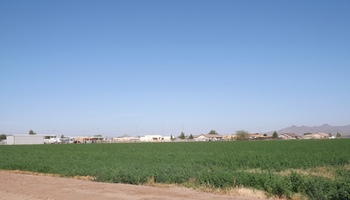
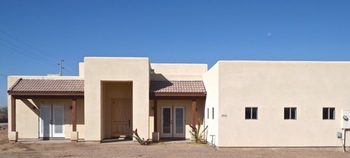
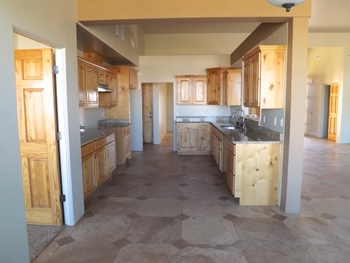
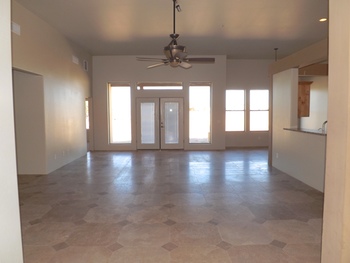
Over 2500 sq ft custom home on 1 acre lot in Buckeye.  On a shared private well and septic.  Beautiful home with travertine tile in all the right places.  Spacious kitchen with granite counter tops, maple cabinets and a new stove and dishwasher.  The home has been freshly painted and new carpet installed in the bedrooms.  Luxurious master bathroom with HUGE tiled shower and large soaking tub with jets. Master bedroom has a private exit to the back patio and a large walk-in closet.  The split bedroom floor plan offers 3 additional bedrooms for ample space.  On a corner lot with a 3 car garage with front and side extensions and 8 ft garage doors.  Home features special foam insulation in the walls and ceilings and a 16 seer A/C with dual zones.  Bring your horses, toys, RV, there's no HOA!  Plenty of room to add a pool, RV garage, horse stalls or a garden.  

1 Acre Buckeye Horse Property

Property Details:

89263 S 213th Drive, Buckeye, AZ 85326
4 Bedroom
2 Bath
$265,000
2560 Sq Ft
3 Car Garage
Acre Lot
Horse Privileges
No HOA


Contact Cinda Rose at 623-252-9350 for more information.


View more Buckeye Homes


Posted in Buckeye
Sept. 19, 2013

Live Clutter Free!

Got too much stuff??  Learn how to live clutter free!  Also great tips if you are getting ready to sell your home.

Visit houselogic.com for more articles like this.

Copyright 2013 NATIONAL ASSOCIATION OF REALTORS®